Foods for Healthy Thyroid Function

Did you know that your thyroid health could significantly influence your overall well-being? A well-functioning thyroid is crucial for energy, metabolism, and mood regulation. In this article, we’ll uncover essential nutritional factors that can support your thyroid function effectively.
What You Will Learn
- The three key hormones produced by the thyroid gland—T3, T4, and TSH—are essential for regulating metabolism and energy.
- Nutrition significantly impacts thyroid health; nutrients like iodine, selenium, and tyrosine are crucial for hormone production.
- Iodine deficiency can lead to serious conditions like hypothyroidism, while excess iodine can also disrupt thyroid function.
- Selenium serves as an antioxidant and helps modulate autoimmune responses, particularly beneficial for those with Hashimoto’s thyroiditis.
- A balanced diet rich in micronutrients can enhance thyroid function and promote overall health and wellness.
Thyroid Health Essentials: Key Hormones and Micronutrients
This visual summarizes the crucial hormones involved in thyroid function and the essential micronutrients required for their optimal production and regulation.
Thyroid Hormones
T3 (Triiodothyronine)
Most active form, crucial for metabolism and energy.
T4 (Thyroxine)
Primary hormone, converts into T3 in tissues.
TSH (Thyroid-Stimulating Hormone)
Regulates T3 & T4 production, body's thermostat.
Essential Micronutrients
Iodine (150mcg/day)
Foundation of thyroid hormone production. Sources: Seaweed, fish, dairy.
Selenium (55mcg/day)
Antioxidant defense, autoimmunity modulation. Sources: Brazil nuts, fish, eggs.
Tyrosine
Building block for thyroid hormones. Sources: Chicken, turkey, dairy, nuts.
Other Key Nutrients
Iron, Zinc, Copper, Magnesium, Vitamins A, D, B12, E.
Nutritional Factors That Support Healthy Thyroid Function: An Overview
Understanding how to support your thyroid health begins with knowing the essential hormones it produces. The primary hormones involved are triiodothyronine (T3), thyroxine (T4), and thyroid-stimulating hormone (TSH). These hormones play a crucial role in regulating metabolism, energy levels, and even mood. When the levels of these hormones are out of balance, it can lead to various health issues, making it vital to understand how to support optimal thyroid function.
Your thyroid affects not just your energy, but also your overall health! When thyroid hormones are not produced adequately, it can lead to conditions like hypothyroidism, resulting in fatigue, weight gain, and mood swings. Therefore, understanding how to maintain healthy levels of these hormones is essential for your well-being.
Understanding Thyroid Function and Hormones
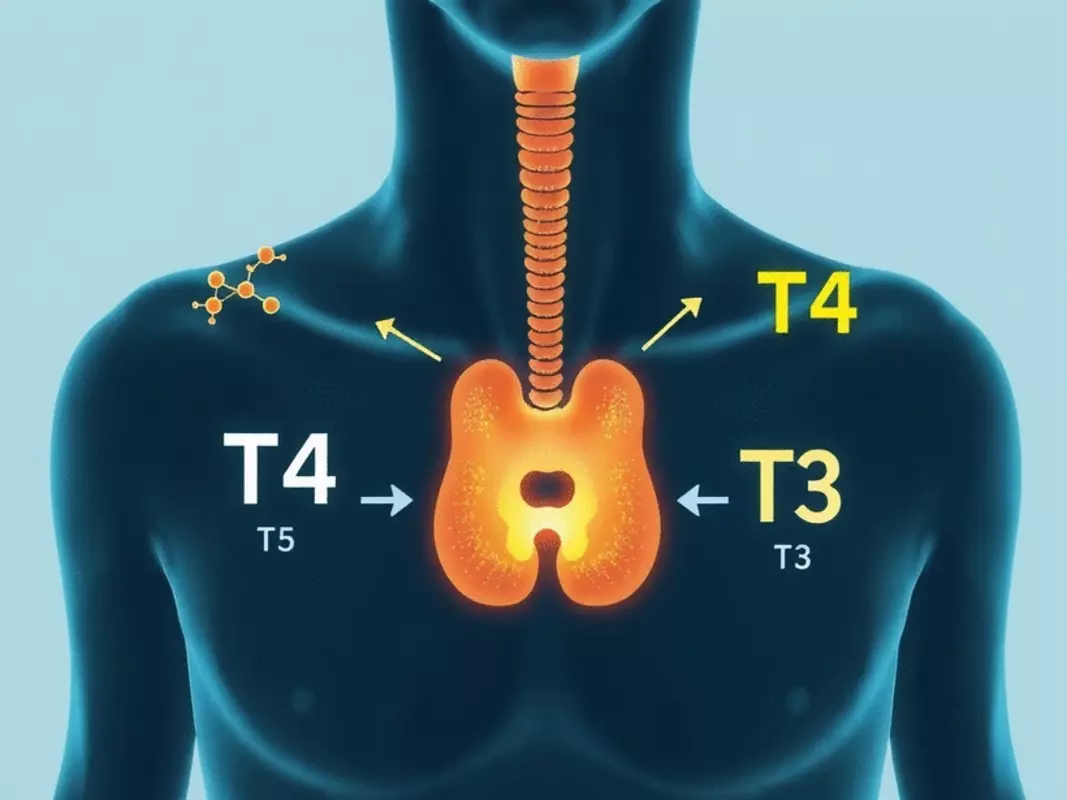
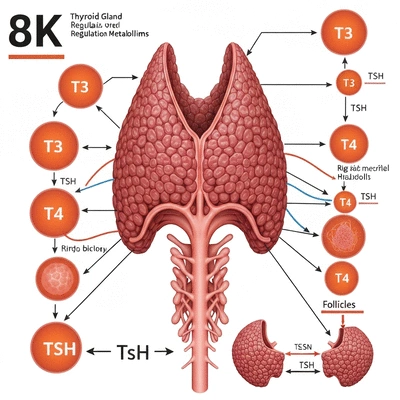
Thyroid hormones are produced by the thyroid gland, located in the front of your neck. T3 and T4 are critical for various bodily functions, while TSH is produced by the pituitary gland to regulate the production of T3 and T4. Keep in mind that any disruption in this delicate balance can lead to significant symptoms and health concerns.
- T3 (Triiodothyronine): The most active form, crucial for metabolism and energy regulation.
- T4 (Thyroxine): The primary hormone produced by the thyroid, which converts into T3 in tissues.
- TSH (Thyroid-Stimulating Hormone): Signals the thyroid to produce T3 and T4, acting as the body's thermostat.
Understanding these hormones is the first step towards managing your thyroid health effectively. It empowers you to make informed choices about your health journey. Have you considered how your daily habits may influence hormone levels?
The Importance of Nutrition in Thyroid Health
Nutrition plays an integral role in maintaining optimal thyroid function. The food we consume provides the building blocks for hormone production and can either support or hinder thyroid health. Diets lacking in essential nutrients can lead to hormonal imbalances, making it crucial to focus on nutritional choices.
- Foods rich in iodine, selenium, and zinc are essential for hormone synthesis.
- A balanced diet contributes to overall wellness and helps regulate thyroid hormone levels.
- Ignoring nutritional needs can exacerbate thyroid conditions and lead to further complications.
By prioritizing a nutrient-dense diet, you're not just supporting your thyroid but enhancing your overall health. Remember, it’s possible to take proactive steps toward better thyroid health through your food choices!
Essential Micronutrients for Optimal Thyroid Function
Iodine: Foundation of Thyroid Hormone Production
Iodine is a critical component of thyroid hormones and is essential for their production. Without adequate iodine, your thyroid may struggle to produce enough hormones, leading to conditions like hypothyroidism. The recommended daily intake of iodine varies, but generally, adults should aim for about 150 micrograms, as detailed by the National Institutes of Health.
- Sources of Iodine: Seaweed, fish, dairy products, and iodized salt.
- Risks of Deficiency: Can lead to goiter or hypothyroidism.
- Risks of Excess: Too much iodine can also disrupt thyroid function, so balance is key!
It’s fascinating how a small amount of iodine can significantly impact your thyroid health! Have you checked if your diet includes enough iodine-rich foods?
Selenium: Antioxidant Defense and Autoimmunity Modulation
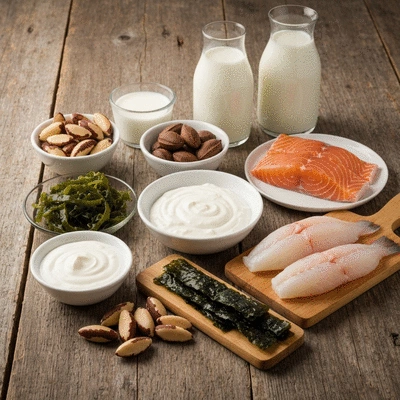
Selenium is another essential nutrient that supports thyroid function. It acts as an antioxidant, protecting the thyroid gland from oxidative stress, and plays a role in modulating autoimmune responses—important for those with conditions like Hashimoto’s thyroiditis. Research highlights selenium's role in thyroid health and autoimmune conditions, as discussed in studies such as those found on PMC.
- Food Sources: Brazil nuts, fish, eggs, and whole grains.
- Importance: Adequate selenium levels can help manage autoimmune thyroid disease.
- Recommended Intake: Adults should aim for 55 micrograms per day.
As you can see, selenium is not just beneficial; it’s a powerhouse nutrient for your thyroid health! Are you including selenium-rich foods in your meals?
Tyrosine: A Building Block for Thyroid Hormones
L-tyrosine is an amino acid that is vital for the synthesis of thyroid hormones. It functions as a precursor, meaning your body uses it to create T3 and T4. Ensuring you have enough tyrosine in your diet can support healthy hormone production.
- Sources of Tyrosine: Chicken, turkey, fish, dairy, nuts, and beans.
- Significance: A well-balanced diet with adequate protein supports hormone levels.
- Benefits: Supports energy levels and overall metabolic health.
Have you thought about how including more protein—and specifically tyrosine-rich foods—can enhance your thyroid health? It might just be the boost you need!
Other Key Nutrients: Iron, Zinc, and More
Several other micronutrients are crucial for thyroid health, including iron, zinc, copper, magnesium, and vitamins A, D, B12, and E. Each plays a unique role in hormone production and regulation. For more comprehensive information on diets and supplements for thyroid disorders, you can refer to resources like the British Thyroid Foundation.
- Iron: Essential for oxygen transport, which is vital for metabolic processes.
- Zinc: Supports immune function and hormone balance.
- Vitamins: A, D, B12, and E contribute to thyroid hormone synthesis and regulation.
By incorporating a variety of these nutrients into your diet, you're giving your thyroid the support it needs to function optimally. How diverse is your diet in terms of these essential micronutrients?
Interactive Poll: Your Nutritional Focus
As you consider the essential nutrients for thyroid health, we want to know: Which micronutrient do you think is the most important for supporting thyroid function? Share your thoughts below!
Frequently Asked Questions About Thyroid Health and Nutrition
- Q: What are the main hormones produced by the thyroid gland?
- A: The main hormones are T3 (Triiodothyronine), T4 (Thyroxine), and TSH (Thyroid-Stimulating Hormone). T3 and T4 regulate metabolism and energy, while TSH signals the thyroid to produce them.
- Q: How does nutrition impact thyroid health?
- A: Nutrition provides the essential building blocks for thyroid hormone production. Key nutrients like iodine, selenium, and tyrosine are crucial for the synthesis and regulation of these hormones. A balanced diet can support optimal thyroid function, while deficiencies can lead to imbalances.
- Q: Why is iodine important for the thyroid?
- A: Iodine is a fundamental component of thyroid hormones. Without adequate iodine, the thyroid cannot produce enough T3 and T4, potentially leading to conditions like hypothyroidism or goiter. However, excessive iodine intake can also be detrimental.
- Q: What role does selenium play in thyroid function?
- A: Selenium acts as an antioxidant, protecting the thyroid gland from oxidative stress. It also helps modulate autoimmune responses, which is particularly beneficial for individuals with autoimmune thyroid conditions like Hashimoto's thyroiditis.
- Q: Which foods are good sources of tyrosine?
- A: Tyrosine, an amino acid, is a building block for thyroid hormones. Good sources include chicken, turkey, fish, dairy products, nuts, and beans. Ensuring adequate protein intake helps support tyrosine levels.
Summarizing the Role of Nutrition in Thyroid Health
As we've explored, nutrition plays a critical role in maintaining healthy thyroid function. Essential nutrients like iodine, selenium, and tyrosine are pivotal for hormone production, while dietary patterns such as the Mediterranean diet can enhance thyroid wellness. Understanding the impact of these nutrients helps you take proactive steps in your health journey.
In summary, a balanced diet rich in vital micronutrients not only supports your thyroid but also contributes to overall well-being. Remember, it's all about fueling your body with the right ingredients to keep everything running smoothly!
Taking Action for Thyroid Wellness
Now that you have a clearer picture of how nutrition influences thyroid health, it’s time to take action! Here are some steps you can follow:
- Assess your current diet: Take a close look at what you eat daily. Are you including foods rich in essential nutrients?
- Incorporate nutrient-dense foods: Focus on including iodine-rich foods like fish and dairy, selenium from nuts and seeds, and tyrosine from lean meats.
- Consult healthcare professionals: Don’t hesitate to reach out to a dietitian or endocrinologist, like myself at Thyroid Health Hub, for personalized advice.
By taking these steps, you're already on the right path toward supporting your thyroid health! Have you thought about which nutrient you might need to focus on first?
Your Path to Better Thyroid Health Starts Today
Your journey towards better thyroid health is just beginning! I encourage you to share your experiences and questions related to nutrition and thyroid health in the comments below. Whether you're curious about specific foods or need guidance on meal planning, I'm here to help!
Remember, you're not alone in this journey; together, we can navigate the complexities of thyroid health and empower each other to make informed decisions. Let’s support one another towards achieving optimal thyroid wellness!
Recap of Key Points
Here is a quick recap of the important points discussed in the article:
- Thyroid hormones (T3, T4, and TSH) are essential for regulating metabolism and overall health.
- Nutrition plays a critical role in thyroid health; essential nutrients like iodine, selenium, and tyrosine support hormone production.
- Incorporating iodine-rich foods (e.g., seaweed, fish) and selenium sources (e.g., Brazil nuts) is vital for maintaining thyroid function.
- A balanced diet rich in micronutrients (iron, zinc, vitamins A, D, B12, and E) is necessary for optimal thyroid performance.
- Taking proactive steps, such as assessing your diet and consulting healthcare professionals, can significantly improve thyroid health.