Hypothyroidism: Debunking Common Misconceptions

Recognizing the signs of hypothyroidism can be a game-changer in managing your health. With an estimated 20 million Americans suffering from this condition, understanding its symptoms is crucial for early diagnosis and treatment.
What You Will Learn
- Hypothyroidism occurs when the thyroid gland is underactive, leading to fatigue, weight gain, and cold intolerance.
- Recognizing symptoms beyond the basics, such as cognitive fog and joint pain, can help in early detection.
- Autoimmune diseases, particularly Hashimoto’s thyroiditis, are often linked to hypothyroidism, impacting diagnosis and treatment.
- Regular check-ups and blood tests are essential for monitoring thyroid hormone levels and tailoring treatment effectively.
- Lifestyle changes, including a balanced diet and stress management, complement thyroid hormone replacement therapy for better health outcomes.
Key Aspects of Hypothyroidism: Symptoms, Causes & Management
Understanding hypothyroidism involves recognizing its diverse symptoms, identifying common causes, and exploring effective management strategies. Below is a visual summary of these critical components.
Common Symptoms
- Persistent Fatigue / Low Energy
- Weight Gain / Difficulty Losing Weight
- Cold Intolerance
- Dry Skin / Hair Loss
- Cognitive Fog / Depression
- Joint & Muscle Pain
Key Causes & Links
- Hashimoto's Thyroiditis (Autoimmune)
- Iodine Deficiency
- Certain Medications
- Other Autoimmune Diseases (e.g., Type 1 Diabetes)
Management & Action
- Consult Healthcare Provider Early
- Regular Check-ups & Blood Tests (TSH, T3, T4)
- Thyroid Hormone Replacement Therapy
- Balanced Diet & Regular Exercise
- Stress Management
Understanding Hypothyroidism: Symptoms and Diagnosis Myths
Hypothyroidism can seem like a complex puzzle, but understanding its core components makes it more manageable. At Thyroid Health Hub, we believe that awareness is the first step towards effective management. This condition occurs when the thyroid gland, located in your neck, doesn't produce enough thyroid hormones, which are essential for regulating your metabolism and overall energy levels.
It’s crucial to recognize the importance of awareness around hypothyroidism. Not only does it affect your physical health, but it also can influence your mental well-being and daily functioning. So, what are the common symptoms and how can we distinguish them from other conditions? Let’s dive in!
What is Hypothyroidism and Why Awareness Matters
Hypothyroidism occurs when your thyroid gland is underactive, leading to a deficiency in key hormones like T3 and T4. This deficiency can cause a variety of symptoms, including fatigue, weight gain, and depression. Awareness is essential because many people may experience these symptoms without realizing they are linked to thyroid dysfunction. For a deeper understanding of the condition, you can refer to authoritative sources such as the National Institutes of Health (NIH).
- Fatigue and low energy
- Weight gain or difficulty losing weight
- Cold intolerance
- Dry skin and hair
- Constipation
Understanding these symptoms can not only empower you but also encourage you to seek the necessary medical advice. Remember, if you notice any of these signs, consulting with a healthcare provider is a crucial step in managing your health!
Common Symptoms of Hypothyroidism: Beyond the Basics
Beyond the classic symptoms, hypothyroidism can present itself in a myriad of ways that might surprise you. Some individuals experience cognitive fog, where tasks that used to be simple feel daunting. Others might notice changes in their menstrual cycles, skin texture, or hair quality.

- Joint and muscle pain
- Depression or anxiety
- Slow heart rate
- Hoarseness
Recognizing these symptoms means you're taking an important step in understanding your body. If these signs resonate with you, don't hesitate to reach out for a comprehensive evaluation!
Autoimmune Diseases and Their Link to Hypothyroidism
There's a significant connection between autoimmune diseases and hypothyroidism, particularly Hashimoto’s thyroiditis. In this condition, your immune system mistakenly attacks the thyroid, leading to its gradual failure. It's critical to understand this link, as it can influence both diagnosis and treatment. Research published in Frontiers in Endocrinology provides further insights into the complex interplay between autoimmune responses and thyroid dysfunction.
- Hashimoto's thyroiditis: The most common cause of hypothyroidism
- Type 1 diabetes: Often coexists with thyroid disorders
- Rheumatoid arthritis
Awareness of these associations can foster a more proactive approach to managing your health. If you have an autoimmune condition, discussing thyroid health with your healthcare provider is vital!
Debunking the 5 Common Misconceptions About Hypothyroidism
With so much misinformation out there, it’s easy to feel lost when it comes to understanding hypothyroidism. At Thyroid Health Hub, we're here to clear the air and provide reliable insights. Let’s explore some common myths that might be holding you back from the knowledge you need. For instance, many myths surround diet and thyroid health, which are addressed by experts like those at Northwestern Medicine.
Pro Tip
Did you know? Regularly monitoring your thyroid levels not only helps in early detection of hypothyroidism but can also significantly improve your quality of life. Make it a habit to discuss your thyroid health during your annual check-ups, and don't hesitate to ask your healthcare provider about the importance of specific blood tests like TSH, T3, and T4.
Taking Action: What You Should Know About Hypothyroidism
When it comes to managing hypothyroidism, being proactive is key! Recognizing symptoms early can significantly improve your health outcomes. If you’re feeling fatigued, experiencing weight changes, or noticing unusual hair or skin conditions, it’s time to seek help from your healthcare provider. Don’t hesitate—your thyroid health is vital to your overall well-being!
We often hear stories about how individuals felt lost in their symptoms before finally getting the right diagnosis. Don’t let that be you! The sooner you address your concerns, the easier it is to manage your thyroid health effectively.
Recognizing Symptoms and Seeking Help from Healthcare Providers
Understanding the signs of hypothyroidism is crucial. Here are some common symptoms to watch out for:
- Persistent fatigue and lack of energy
- Weight gain or difficulty losing weight
- Cold intolerance and feeling sluggish
- Dry skin and hair loss
- Depression or mood swings
If you notice any of these symptoms, please consult with a healthcare provider. As a board-certified endocrinologist, I’ve seen how early intervention can lead to better management of hypothyroidism. Remember, your health journey is unique, and understanding your symptoms is the first step toward taking control!
Encouraging Regular Check-ups and Blood Tests: Importance of Screening
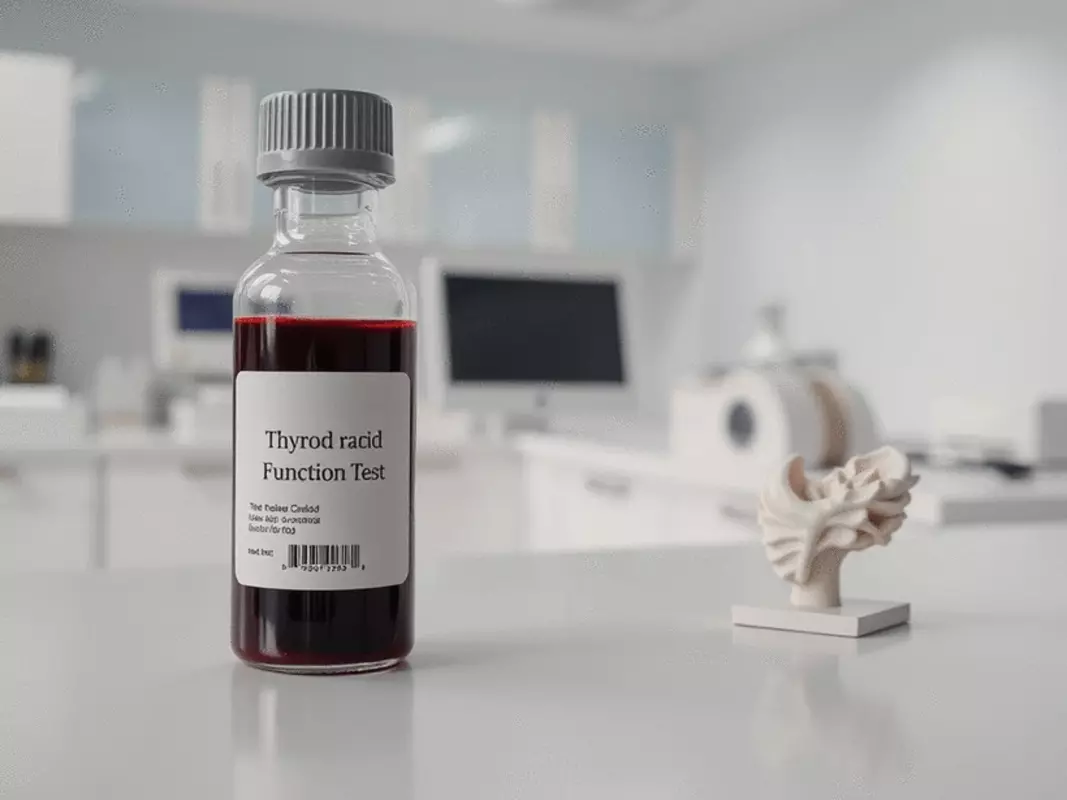
Regular check-ups are not just recommended; they are essential! Monitoring your thyroid levels can help you stay on top of your health. Blood tests measuring Thyroid Stimulating Hormone (TSH), T3, and T4 are vital for diagnosing and managing hypothyroidism. Here’s why screening is critical:

- Identifies any hormonal imbalances early
- Tracks the effectiveness of treatment
- Helps adjust medication dosages as needed
As part of the Thyroid Health Hub community, I encourage you to schedule regular blood tests with your healthcare provider. Staying informed about your thyroid levels ensures you’re making the best choices for your health!
Exploring Treatment Options: Thyroid Hormone Replacement and Lifestyle Changes
Managing hypothyroidism often involves a combination of treatment options. Thyroid hormone replacement therapy is a common route, but there are also lifestyle changes that can complement your treatment. Consider these approaches:
- Adopting a well-balanced diet rich in nutrients
- Incorporating regular exercise into your routine
- Managing stress through mindfulness and relaxation techniques
Each of these strategies plays a role in supporting your thyroid health. At Thyroid Health Hub, we believe in a holistic approach to managing hypothyroidism. Feel empowered to take charge of your health journey!
Frequently Asked Questions (FAQs) About Hypothyroidism
- Q1: What is hypothyroidism?
- A1: Hypothyroidism is a condition where the thyroid gland doesn't produce enough thyroid hormones, which are essential for regulating metabolism and overall energy levels.
- Q2: What are the common symptoms of hypothyroidism?
- A2: Common symptoms include persistent fatigue, weight gain, cold intolerance, dry skin, hair loss, cognitive fog, and joint pain.
- Q3: How is hypothyroidism diagnosed?
- A3: Hypothyroidism is typically diagnosed through regular check-ups and blood tests that measure Thyroid Stimulating Hormone (TSH), T3, and T4 levels.
- Q4: What is Hashimoto's thyroiditis?
- A4: Hashimoto's thyroiditis is an autoimmune condition where the immune system mistakenly attacks the thyroid gland, leading to its gradual failure and is the most common cause of hypothyroidism.
- Q5: What are the treatment options for hypothyroidism?
- A5: Treatment usually involves thyroid hormone replacement therapy, complemented by lifestyle changes such as a balanced diet, regular exercise, and stress management.
Recap of Key Points
Here is a quick recap of the important points discussed in the article:
- Hypothyroidism is a condition where the thyroid gland is underactive, leading to insufficient hormone production.
- Common symptoms include fatigue, weight gain, cold intolerance, and dry skin.
- Early recognition of symptoms is crucial; consulting a healthcare provider is essential for proper diagnosis and management.
- Regular check-ups and blood tests are vital to monitor thyroid levels and adjust treatment as needed.
- Lifestyle changes, including a balanced diet and regular exercise, can complement medical treatment for hypothyroidism.