Identify Hypothyroidism and Similar Issues

How well do you understand your thyroid? This often-overlooked gland plays a crucial role in your overall health, and hypothyroidism can manifest through diverse symptoms that might confuse even the most informed individuals. Let's demystify this condition and uncover what you need to know to take charge of your health.
What You Will Learn
- Hypothyroidism is primarily caused by autoimmune disorders like Hashimoto's thyroiditis, but factors such as iodine deficiency and certain medications can also contribute.
- Common symptoms include fatigue, weight gain, depression, and changes in skin and hair—often misattributed to other conditions.
- The overlap of hypothyroidism symptoms with other health issues, such as anemia and depression, can complicate diagnosis and treatment.
- Early detection is crucial; understanding your risk factors, including family history and gender, can lead to timely intervention.
Hypothyroidism vs. Similar Conditions: A Comparative Overview
This comparison highlights key distinctions between hypothyroidism and conditions with overlapping symptoms, aiding in accurate understanding and diagnosis.
Understanding the Nuances of Hypothyroidism and Its Symptoms
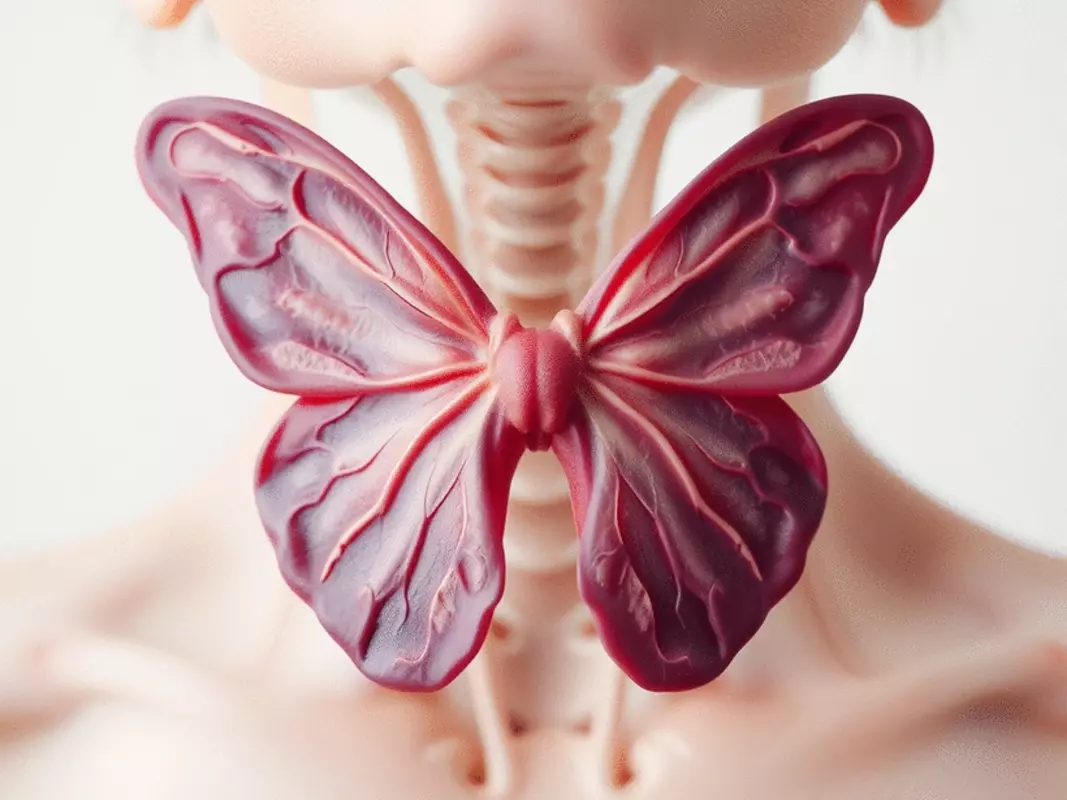
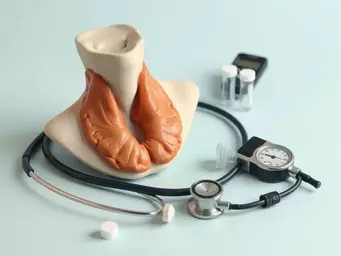
Hypothyroidism is a condition that can significantly impact your overall health and well-being. At Thyroid Health Hub, we believe that understanding the nuances of this condition is crucial for effective management. Essentially, hypothyroidism occurs when the thyroid gland, located in your neck, does not produce enough thyroid hormones. This can lead to a range of symptoms that often go unnoticed until they become serious. Let’s break down what you need to know about hypothyroidism.
Defining Hypothyroidism: What You Need to Know
Hypothyroidism is often referred to as an underactive thyroid. This means that the thyroid is not producing sufficient hormones to regulate your body's metabolism effectively. The most common cause is an autoimmune disorder known as Hashimoto's thyroiditis, where the immune system mistakenly attacks the thyroid gland. Other factors, such as iodine deficiency or certain medications, can also contribute to this condition.
- Autoimmune conditions (like Hashimoto's thyroiditis)
- Iodine deficiency
- Certain medications
- Radiation therapy
Understanding these causes is a vital step in recognizing hypothyroidism. It allows you to seek the appropriate tests and treatments that can improve your health.
Common Symptoms of Hypothyroidism: Identifying Key Indicators
Recognizing the symptoms of hypothyroidism is crucial. Many individuals may experience symptoms that they attribute to other factors. Here are some common indicators:
- Fatigue and low energy levels
- Weight gain or difficulty losing weight
- Depression and mood swings
- Changes in skin and hair
If you've noticed any of these symptoms, it’s worth discussing them with a healthcare provider. Understanding these signs can help you take proactive steps toward managing your thyroid health more effectively.
How Symptoms of Hypothyroidism Overlap with Other Conditions
One of the challenges with hypothyroidism is that its symptoms often overlap with other health conditions. For example, fatigue and weight gain can also be associated with depression or chronic stress. This overlap can lead to misdiagnosis or delayed treatment. Recognizing that these symptoms can stem from hypothyroidism is essential for appropriate management. Early detection is particularly important for conditions such as congenital hypothyroidism, where timely diagnosis can prevent developmental issues.
- Fatigue can also indicate anemia
- Weight fluctuations may relate to metabolic syndrome
- Depression can arise from various mental health issues
By being aware of these overlaps, you can advocate for more thorough testing and discussions with your healthcare provider.
Exploring Autoimmune Thyroid Disease: Hashimoto's Thyroiditis and Its Role in Hypothyroidism
Hashimoto's thyroiditis is the most prevalent cause of hypothyroidism. It's an autoimmune disorder that leads to chronic inflammation of the thyroid. This condition often progresses slowly over time, making it hard to recognize until symptoms become severe. Understanding your risk factors, such as family history or other autoimmune diseases, can be pivotal in early detection.

- Family history of thyroid disease
- Presence of other autoimmune disorders
- Gender (more common in women)
At Thyroid Health Hub, we emphasize the importance of recognizing the connection between Hashimoto's and hypothyroidism. This knowledge empowers you to take proactive steps in your health journey.
The Impact of Fatigue, Weight Gain, and Depression on Daily Life
The symptoms of hypothyroidism can profoundly affect daily life. Fatigue can diminish your energy levels, making even simple tasks feel overwhelming. Weight gain, often unexplainable, can affect self-esteem and motivation. Additionally, the emotional toll, including depression, can create a cycle of inactivity and frustration. The American Thyroid Association provides comprehensive resources for managing these symptoms and understanding the broader implications of hypothyroidism.
- Difficulty concentrating or focusing
- Social withdrawal due to low energy
- Changes in sleep patterns
Recognizing how these symptoms intertwine can help you develop a more comprehensive approach to managing your hypothyroidism. Remember, seeking help is the first step toward regaining control over your life and health!
Pro Tip
Did you know? Incorporating selenium and iodine-rich foods into your diet can help support thyroid function. Consider adding foods like Brazil nuts, fish, and dairy products to your meals to promote better thyroid health!
Frequently Asked Questions About Hypothyroidism
What is hypothyroidism?
Hypothyroidism is a condition where the thyroid gland does not produce enough thyroid hormones, leading to a slowed metabolism and a range of symptoms.
What are the main causes of hypothyroidism?
The most common cause is Hashimoto's thyroiditis, an autoimmune disorder. Other causes include iodine deficiency, certain medications, and radiation therapy.
What are the common symptoms of hypothyroidism?
Common symptoms include fatigue, weight gain, depression, mood swings, and changes in skin and hair.
Why is hypothyroidism often misdiagnosed?
Its symptoms, such as fatigue and weight gain, overlap with many other conditions like anemia, depression, and metabolic syndrome, leading to potential misdiagnosis or delayed treatment.
What is Hashimoto's thyroiditis?
Hashimoto's thyroiditis is an autoimmune disorder where the immune system attacks the thyroid gland, causing chronic inflammation and often leading to hypothyroidism.
How does hypothyroidism affect daily life?
It can lead to profound fatigue, unexplained weight gain, difficulty concentrating, mood changes, and social withdrawal, significantly impacting an individual's quality of life.
Comprehensive Comparison: Hypothyroidism vs. Similar Conditions
Understanding the differences between hypothyroidism and other medical conditions is crucial for accurate diagnosis. Many patients find themselves confused by overlapping symptoms that can lead to misinterpretations of their health. At Thyroid Health Hub, I aim to clarify these differences so that you can better understand your condition and seek appropriate care.
In this section, we'll explore how hypothyroidism compares with conditions like anemia, depression, chronic renal insufficiency, and hyperthyroidism. By recognizing these distinctions, we can make strides towards better management of your thyroid health!
Analyzing Overlapping Symptoms with Anemia
Anemia and hypothyroidism share several symptoms, which can complicate the diagnostic process. Common indicators include:
- Fatigue and weakness
- Pale skin
- Cold intolerance
- Hair loss
It's essential for healthcare providers to consider these symptoms carefully. For instance, while fatigue can be a sign of both conditions, treating the wrong one may not alleviate the problem. Have you experienced these symptoms? If so, it might be time to discuss them with your doctor!
Identifying Hypothyroidism in Patients with Depression and Fatigue
Depression is another condition that often overlaps with hypothyroidism. The two can manifest with similar signs, such as:
- Low energy levels
- Changes in appetite
- Difficulty concentrating
Recognizing these overlapping symptoms is vital for proper treatment. Sometimes, symptoms of hypothyroidism can exacerbate existing mental health issues. It’s important to communicate openly with your healthcare provider about your experiences!
Chronic Renal Insufficiency and Rheumatological Conditions: Distinct or Similar?
Chronic renal insufficiency and certain rheumatological conditions can also mimic hypothyroidism. Symptoms like fluid retention and fatigue can create confusion. Here’s a quick comparison:
| Condition | Common Symptoms | Key Differences |
|---|---|---|
| Hypothyroidism | Fatigue, weight gain, cold intolerance | Hormone levels are low |
| Chronic Renal Insufficiency | Fatigue, fluid retention, shortness of breath | Kidney function tests are abnormal |
| Rheumatological Conditions | Fatigue, joint pain, swelling | Inflammatory markers may be elevated |
This chart underscores the importance of a thorough evaluation from a healthcare provider who can differentiate between these similar, yet distinct, conditions.
Understanding Hyperthyroidism: Differences and Similarities with Hypothyroidism
Finally, let’s discuss hyperthyroidism. While it’s often thought of as the opposite of hypothyroidism, they can share some symptoms, including:
- Weight changes
- Changes in mood
- Heat intolerance
However, the key difference lies in hormone production. Hypothyroidism is characterized by low hormone levels, while hyperthyroidism involves excess hormone production. Understanding these differences can help you navigate your thyroid health more effectively.

Recap of Key Points
Here is a quick recap of the important points discussed in the article:
- Hypothyroidism, or an underactive thyroid, is primarily caused by autoimmune disorders like Hashimoto's thyroiditis.
- Common symptoms include fatigue, weight gain, depression, and changes in skin and hair.
- Symptoms of hypothyroidism often overlap with other conditions, making accurate diagnosis essential.
- Being aware of risk factors, such as family history and gender, can aid in early detection of Hashimoto's thyroiditis.
- It's crucial to engage with healthcare providers for appropriate testing and treatment options for hypothyroidism.