Understanding Thyroid Hormone Transport Proteins

What if understanding your thyroid health could transform your energy levels and overall well-being? The intricate interplay of thyroid hormone transport proteins holds the key to achieving that balance, empowering you to take control of your health journey.
What You Will Learn
- Thyroid hormone transport and binding proteins, including TBG, TTR, and albumin, are vital for hormone efficacy in the body.
- Binding proteins regulate the availability of thyroid hormones, influencing metabolic processes and health outcomes.
- Variations in TBG levels can indicate underlying health conditions, affecting thyroid function test interpretations.
- Understanding the roles of these proteins can lead to more accurate diagnoses and personalized treatment plans for thyroid disorders.
Thyroid Hormone Binding Proteins: Affinity & Percent Bound
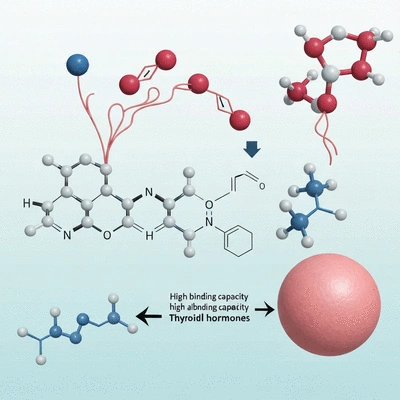
This visual compares the binding affinity and the percentage of thyroid hormones bound by the three key transport proteins: TBG, TTR, and Albumin.
Thyroxine-Binding Globulin (TBG)
Transthyretin (TTR)
Albumin
Understanding Thyroid Hormone Transport and Binding Proteins
When we talk about thyroid hormone transport and binding proteins, it’s crucial to understand their roles in maintaining the delicate balance of hormones in our body. Key players in this process include Thyroxine-Binding Globulin (TBG), transthyretin (TTR), and albumin. Each of these proteins contributes uniquely to how thyroid hormones are carried in the bloodstream, which is essential for their effectiveness.
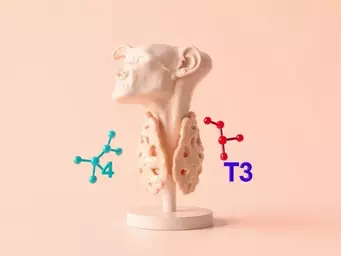
Thyroid hormones, primarily thyroxine (T4) and triiodothyronine (T3), are not free-floating entities. Instead, they rely on these binding proteins to transport them through the circulatory system to their target organs. Without these proteins, our body would struggle to maintain adequate hormone levels, leading to significant health issues.

What Are Thyroid Hormone Transport and Binding Proteins?
At their core, thyroid hormone transport and binding proteins facilitate the safe delivery of hormones throughout the body. Here’s a quick overview:
- TBG: The most significant protein in transporting T4 and T3, TBG has a high affinity for these hormones.
- TTR: Plays a crucial role in transporting hormones in the cerebrospinal fluid, particularly during development. For more detailed insights into its developmental role, you can refer to this article on TTR's function.
- Albumin: This protein has a lower affinity but a high capacity for binding thyroid hormones, acting as a reservoir.
Understanding these proteins helps me, as an endocrinologist at Thyroid Health Hub, convey the importance of thyroid hormone management. With an educated perspective, individuals can better advocate for their health, particularly if they are navigating issues related to hypothyroidism.
The Importance of Thyroid Hormone Binding
Why should we care about binding proteins? The physiological significance of these proteins cannot be overstated. They play a pivotal role in regulating the availability of thyroid hormones in the body, influencing a range of metabolic processes.
When these proteins bind to hormones, they control how much is available to tissues. If hormones are unbound, they can be readily utilized by cells, but too much unbound hormone can lead to symptoms of hyperthyroidism. Conversely, if the binding proteins are disrupted, it can lead to symptoms of hypothyroidism despite normal levels of total hormones in blood tests.
- Binding proteins manage hormone levels, affecting metabolism.
- They prevent fluctuations that could result in symptoms.
- Understanding their function can aid in more accurate diagnoses.
As I explain these concepts at Thyroid Health Hub, I emphasize how the balance between bound and unbound hormones is critical for optimal health. Knowledge of this balance empowers patients to engage in their health journeys actively.
Key Binding Proteins: TBG, TTR, and Albumin
Thyroxine-Binding Globulin (TBG)
Thyroxine-Binding Globulin is the primary transport protein for thyroid hormones in the bloodstream. Its binding affinity for T4 is significantly higher than for T3, making it vital for maintaining proper hormone levels.
Clinically, understanding TBG levels is essential when interpreting thyroid function tests. Variations in TBG can indicate specific health conditions, such as liver disease or pregnancy, where TBG levels may be altered, affecting how we interpret the overall thyroid status.
Binding Affinities and Percent Bound: Understanding the Numbers
To better grasp how these proteins work, let’s compare the binding percentages:
| Protein | Binding Affinity | Percent Bound |
|---|---|---|
| TBG | High | 70% |
| TTR | Moderate | 15% |
| Albumin | Low | 15% |
This table provides a clear visual representation of how well these proteins bind to thyroid hormones, which is crucial for understanding their roles in thyroid health. As we explore these dynamics, remember that a thorough comprehension of each protein's function can enhance your approach to managing your thyroid condition.
Transthyretin (TTR)
Transthyretin, or TTR, adds another layer of complexity to thyroid hormone transport. It primarily functions in the cerebrospinal fluid (CSF), where it aids in hormone distribution within the central nervous system. Its role is particularly important during development, where proper hormone levels are essential for growth.
Interestingly, TTR binds both thyroid hormones and retinol (vitamin A), highlighting its multifaceted role in our body's metabolism. Understanding its function can provide insights into certain neurological conditions.
Albumin's Role in Thyroid Hormone Transport
While albumin may not have the strongest binding affinity for thyroid hormones, it compensates with its high capacity. This means that, while it binds a smaller percentage of hormones, it can carry a significant volume in the bloodstream.
For patients with thyroid conditions, recognizing the role of albumin is critical. Changes in albumin levels can influence how much hormone is bioavailable, affecting overall health. It’s an aspect I often discuss when engaging with patients at Thyroid Health Hub, as it illustrates the interconnectedness of different bodily systems.
Quick Poll: Your Experience with Thyroid Health
Have you ever had your thyroid hormone levels tested? Understanding your thyroid health is crucial. Share your experience below:
Conclusion: The Significance of Understanding Binding Proteins
Understanding the roles of thyroid hormone transport and binding proteins is crucial in clinical practice. These proteins, including TBG, TTR, and albumin, are not just passive carriers; they play a vital role in regulating hormone availability and ensuring that our body's tissues receive the appropriate levels of thyroid hormones. When we grasp how these proteins function, we can better interpret thyroid function tests and address any abnormalities that arise.
As a board-certified endocrinologist, I've seen firsthand how a solid understanding of these binding proteins can influence treatment decisions. For instance, certain conditions can alter the levels of these proteins, leading to misinterpretations of thyroid function tests. Recognizing these nuances enhances our ability to provide personalized care to those navigating thyroid-related issues. For a comprehensive review of these mechanisms, you might find this endocrinology review article insightful.
- Enhanced Patient Care: A thorough understanding of binding proteins aids in more accurate diagnoses.
- Informed Treatment Plans: Knowledge of how these proteins interact with thyroid hormones informs treatment decisions.
- Ongoing Research: Keeping up with evolving research on binding proteins equips clinicians to adapt to new findings.
Next Steps for Clinicians and Researchers
As we move forward, I encourage clinicians and researchers to delve deeper into the diagnostic implications of thyroid hormone transport and binding proteins. Engaging with the latest research can illuminate new pathways for treatment and management, ultimately benefiting our patients. At Thyroid Health Hub, we are committed to providing valuable resources that support this exploration.
FAQ: Common Questions on Thyroid Hormone Binding Proteins
Here are some of the most frequently asked questions regarding thyroid hormone binding proteins:
- What is the primary function of thyroid hormone transport and binding proteins?
They are crucial for transporting thyroid hormones (T4 and T3) in the bloodstream, ensuring they reach target tissues safely and effectively, and regulating their availability. - Which binding protein has the highest affinity for thyroid hormones?
Thyroxine-Binding Globulin (TBG) has the highest binding affinity for both T4 and T3, particularly for T4. - How do variations in TBG levels impact thyroid function tests?
Variations in TBG levels, often due to conditions like pregnancy or liver disease, can alter the total amount of thyroid hormones measured, potentially leading to misinterpretation of thyroid function tests if free hormone levels are not also considered. - What role does Transthyretin (TTR) play in thyroid hormone transport?
TTR primarily transports thyroid hormones within the cerebrospinal fluid (CSF) and is important for hormone distribution in the central nervous system, especially during development. It also binds retinol (vitamin A). - Why is Albumin important for thyroid hormone transport, despite its low binding affinity?
Despite its low binding affinity, albumin has a high capacity for binding thyroid hormones, meaning it can carry a significant volume of hormones in the bloodstream, acting as an important reservoir.
By addressing these questions, we can enhance our understanding and empower patients to navigate their thyroid health more effectively.
Recap of Key Points
Here is a quick recap of the important points discussed in the article:
- Thyroid hormone transport proteins include TBG, TTR, and albumin, each playing a crucial role in hormone delivery.
- Binding proteins regulate the availability of thyroid hormones, influencing metabolic processes and overall health.
- Understanding TBG levels is essential for accurate interpretation of thyroid function tests and can indicate health conditions.
- Maintaining a balance between bound and unbound hormones is critical for avoiding symptoms of hypothyroidism and hyperthyroidism.
- Ongoing education on binding proteins helps clinicians provide better care and adapt to new research findings.