Tracking Symptoms for Better Diagnosis

Have you considered how your daily habits might support your thyroid function? Understanding hypothyroidism can feel overwhelming, but breaking it down into digestible pieces makes it much more manageable. Let's explore what hypothyroidism is, along with key insights to help you take control of your thyroid health.
What You Will Learn
- Common symptoms of hypothyroidism include fatigue, weight gain, depression, and cold intolerance.
- Understanding the underlying causes, such as Hashimoto’s thyroiditis and iodine deficiency, is crucial for proactive thyroid health.
- Hypothyroidism can have significant effects on mental health, leading to mood swings and concentration issues.
- Nutrition plays a pivotal role; key nutrients like iodine, selenium, and zinc can support thyroid function.
- Regular exercise and quality sleep are essential lifestyle factors that impact the management of hypothyroidism.
- Keeping a symptom journal and tracking lifestyle factors can help you advocate for your thyroid health effectively.
Key Aspects of Hypothyroidism Management
Managing hypothyroidism involves understanding its primary symptoms and the crucial role of lifestyle factors. The visual below highlights these key areas that impact thyroid health.
Recognizing Symptoms
- ✓ Fatigue: Deep, unshakable exhaustion
- ✓ Weight Gain: Unexplained increase
- ✓ Depression: Mood swings, feeling down
- ✓ Cold Intolerance: Feeling cold often
Dietary Influence
- ✓ Iodine: Essential for hormone production
- ✓ Selenium: Converts inactive hormones
- ✓ Zinc: Aids hormone production & regulation
- ✓ Whole Foods: Avoid additives, reduce inflammation
Exercise & Sleep
- ✓ Regular Exercise: Improves energy, mood, weight
- ✓ Sleep Hygiene: Vital for hormone regulation
- ✓ Consistency: Crucial for long-term benefits
Tracking & Records
- ✓ Symptom Journal: Identify patterns
- ✓ Diet & Exercise Log: Understand impact
- ✓ Medical History: Aids accurate diagnosis
- ✓ Consistency: Gather valuable insights
Understanding Hypothyroidism and Its Symptoms
Understanding hypothyroidism is essential for anyone navigating the complex landscape of thyroid health. Imagine your thyroid as your body's energy regulator; it’s tasked with ensuring everything runs smoothly. When it doesn’t perform optimally, it can lead to various symptoms that can significantly affect your quality of life. Are you feeling more fatigued than usual, or have you noticed unwanted weight gain? Let's dive into the common symptoms and their implications!
Recognizing the Symptoms of Hypothyroidism
Some of the most prevalent symptoms of hypothyroidism include:
- Fatigue: This is often the first sign that many people notice. It's not just being tired; it’s a deep, unshakable exhaustion that can impair daily functioning.
- Weight Gain: Even with no changes in diet or activity levels, many individuals find they gain weight, which can be frustrating and confusing.
- Depression: Feeling down or experiencing mood swings can also be linked to an underactive thyroid.
- Cold Intolerance: If you find yourself feeling cold when others are comfortable, this could be another indicator of thyroid issues.
These symptoms may seem unrelated at first, but they often connect back to how your thyroid is functioning. Have you been experiencing any of these signs? Knowing them can empower you to discuss your health with confidence.

Underlying Causes of Hypothyroidism
While recognizing symptoms is crucial, understanding the underlying causes is equally important. The most common cause of hypothyroidism is an autoimmune condition known as Hashimoto’s thyroiditis. In this condition, the body's immune system mistakenly attacks the thyroid gland, leading to reduced hormone production. Other factors contributing to hypothyroidism include:
- Iodine Deficiency: Iodine is essential for thyroid hormone production. A lack of it in your diet can lead to hypothyroidism.
- Medications: Certain medications may affect thyroid function as a side effect.
- Radiation Therapy: Treatment for cancers in the neck or head can impact thyroid health.
Understanding these causes can help you recognize risks and take proactive steps toward your thyroid health. It’s all about being informed and taking charge of your well-being!
The Impact of Hypothyroidism on Mental Health
The effects of hypothyroidism extend beyond physical symptoms; they can profoundly impact mental health too. For instance, the fatigue and mood swings often associated with this condition can lead to feelings of hopelessness or anxiety. It’s important to understand how these emotional aspects intertwine with your physical health.
- Mood Swings: Fluctuations in mood can create challenges in personal relationships and daily interactions.
- Concentration Issues: Many people with hypothyroidism report difficulties in focusing, which can affect work or study habits.
Have you noticed how your thyroid health might be affecting your mental well-being? Recognizing this connection is a vital step in managing your overall health journey.
The Importance of Lifestyle Factors in Thyroid Health
As we transition to discussing lifestyle factors, it’s crucial to recognize that the choices we make every day can significantly influence our thyroid health. From the foods we eat to our exercise routines, lifestyle plays a pivotal role in managing hypothyroidism effectively.
How Diet Influences Thyroid Function
Nutrition is a powerful ally when it comes to thyroid health. Certain nutrients are especially beneficial for maintaining a well-functioning thyroid, such as:
- Iodine: Essential for hormone production, consider incorporating iodized salt or seaweed into your meals.
- Selenium: This mineral helps convert the inactive thyroid hormone into its active form; Brazil nuts are a great source!
- Zinc: Important for hormone production and regulation, you can find it in foods like oysters and pumpkin seeds.
Focusing on these nutrients can make a substantial difference in how your body manages hypothyroidism. Have you thought about how your current diet supports your thyroid function?
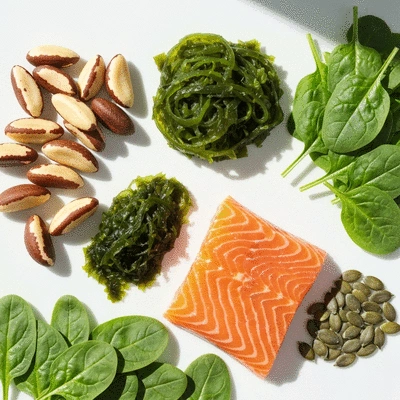
Nutrition and Its Role in Managing Hypothyroidism
Beyond specific nutrients, the overall quality of your diet impacts thyroid health. Eating a balanced diet rich in fruits, vegetables, lean proteins, and healthy fats can support hormone production and metabolic health. Some dietary choices to consider include:
- Whole Foods: Opt for unprocessed foods whenever possible to avoid additives that could interfere with thyroid function.
- Anti-Inflammatory Foods: Incorporating foods like berries, fatty fish, and leafy greens can help reduce inflammation.
Are you ready to make dietary changes that could support your thyroid health? Remember, every small step counts toward feeling better!
The Role of Exercise and Sleep in Thyroid Management
Exercise and sleep are two critical lifestyle factors that often get overlooked. Regular physical activity can improve your energy levels, enhance mood, and help manage weight—a triple win for those with hypothyroidism. However, it's equally important to prioritize quality sleep, as it plays a vital role in hormone regulation.
- Regular Exercise: Aim for at least 150 minutes of moderate aerobic activity each week. Simple activities like walking or cycling can make a significant difference.
- Sleep Hygiene: Establish a calming bedtime routine and ensure you’re getting enough restorative sleep to support your thyroid health.
Have you looked at your exercise and sleep patterns recently? Making adjustments in these areas can greatly impact your journey towards better health!
Pro Tip
To maximize your thyroid health, consider incorporating a variety of iodine-rich foods into your diet. Seaweed, fish, and iodized salt can help ensure that you're getting enough of this essential nutrient, which is crucial for hormone production. Remember, small dietary changes can lead to significant improvements in your overall well-being!
Empowering Yourself Through Lifestyle and Tracking
Managing hypothyroidism isn't just about medication—it's about understanding how your lifestyle choices and symptom tracking can significantly impact your thyroid health. By making informed decisions about what you eat, how you exercise, and even how you monitor your symptoms, you empower yourself to take control of your health journey. Together, these strategies can help you feel better and help your healthcare provider give you the support you need.
At Thyroid Health Hub, we believe that knowledge is power! By keeping an eye on your symptoms and making positive lifestyle changes, you can better manage your hypothyroidism.
Taking Action: Start Your Tracking Journey Today
It's time to take the first step! I encourage you to begin monitoring your symptoms and lifestyle factors. You can do this with the support of your healthcare professional, who can guide you in making the most of your tracking efforts. Are you ready to start? Here are a few tips to help you get going:
- Keep a symptom journal: Regularly tracking your symptoms can help identify patterns and triggers, which is crucial for effective management.
- Track your diet: Note what you eat and how it affects your thyroid symptoms. This will help identify foods that work for you.
- Monitor your exercise routine: Keep track of your physical activity and any changes in symptoms related to exercise.
- Stay consistent: Make tracking a daily habit to gather valuable insights over time. For more general guidance on keeping personal health records, MedlinePlus offers helpful instructions.
Remember, monitoring your health can be a powerful tool in managing hypothyroidism. And don’t hesitate to reach out to a healthcare provider to discuss your findings! Additionally, learning how to track chronic symptoms, even if not directly pain-related, can offer valuable strategies for anyone with a long-term condition.
Additional Resources and Tools
To help you on your journey, here are some reputable resources and tools that can support your thyroid health:
- American Thyroid Association: A great source of information on thyroid health and research.
- My Thyroid: An app specifically designed for tracking thyroid symptoms and medications.
- Thyroid Change: A community focused on improving thyroid health awareness and advocacy.
Utilizing these resources can enhance your understanding and management of hypothyroidism, making you feel more supported and informed.
Understanding Your Health Records and Medical History
Keeping accurate health records is crucial in managing your hypothyroidism. Having a well-documented medical history helps when discussing your condition with healthcare providers. It ensures that they have a comprehensive view of your health, which can lead to more accurate diagnoses and effective treatment plans.
When preparing for appointments, consider these key points:
- Document your symptoms: Include details about when they started, their severity, and any changes over time.
- List your medications: Note any medications, supplements, and their dosages to discuss with your provider.
- Include your lifestyle factors: Mention diet, exercise routines, and sleep patterns to provide a full picture of your health.
By maintaining thorough health records, you make your conversations with doctors more productive, helping you advocate for yourself and your thyroid health effectively!
Recap of Key Points
Here is a quick recap of the important points discussed in the article:
- Hypothyroidism is often marked by symptoms such as fatigue, weight gain, depression, and cold intolerance.
- The most common cause is Hashimoto’s thyroiditis, but iodine deficiency and certain medications can also contribute.
- Diet plays a crucial role in managing hypothyroidism; focus on iodine, selenium, and zinc-rich foods.
- Regular exercise and quality sleep are vital for improving energy levels, mood, and overall thyroid health.
- Tracking symptoms, diet, and lifestyle factors can empower individuals to better manage their health.
Frequently Asked Questions About Hypothyroidism
- What are the most common symptoms of hypothyroidism?
- The most common symptoms include profound fatigue, unexplained weight gain, feelings of depression and mood swings, and an increased sensitivity to cold (cold intolerance).
- What causes hypothyroidism?
- The primary cause is often Hashimoto's thyroiditis, an autoimmune condition where the body attacks the thyroid gland. Other causes include iodine deficiency, certain medications, and radiation therapy to the neck or head area.
- How does diet impact thyroid function?
- Diet plays a crucial role. Essential nutrients like iodine, selenium, and zinc are vital for thyroid hormone production and regulation. A balanced diet rich in whole, anti-inflammatory foods also supports overall thyroid health.
- Why are exercise and sleep important for managing hypothyroidism?
- Regular exercise can boost energy levels, improve mood, and assist with weight management. Quality sleep is equally important as it helps regulate hormones, which is critical for thyroid health.
- How can tracking symptoms and lifestyle factors help manage hypothyroidism?
- Keeping a symptom journal, and logging diet and exercise routines helps individuals identify patterns and understand what influences their condition. This provides valuable insights to share with healthcare providers for more personalized and effective treatment plans.