Inactive Ingredients in Thyroid Medications

Understanding the often-overlooked role of inactive ingredients in thyroid medications can transform your approach to managing hypothyroidism. These components, known as excipients, can significantly influence treatment efficacy and patient experience.
What You Will Learn
- Informed Choices: Knowing the excipients in your medications can help prevent adverse reactions.
- Medication Efficacy: The right formulation can significantly affect how your body absorbs and utilizes thyroid hormones.
- Open Communication: Maintaining a dialogue with your healthcare provider about excipients ensures you receive the best treatment possible.
- Role of Excipients: Inactive ingredients enhance drug delivery, stability, and absorption rates, influencing treatment outcomes.
- Quality Assurance: Understanding FDA regulations helps ensure the safety and efficacy of medications, including inactive ingredients.
The Crucial Role of Inactive Ingredients in Thyroid Medications
This visual highlights the purpose and impact of "inactive ingredients" (excipients) in thyroid treatments, emphasizing their significance beyond the active drug.
1 Defining Inactive Ingredients
Additives (excipients) in medications that enhance overall performance, not directly treat the condition. They influence:
- Texture
- Stability
- Absorption Rates
2 Impact on Thyroid Treatment
Excipients significantly affect how active thyroid ingredients work in your body:
- Consistency & Uniformity
- Protection from Degradation
- Improved Palatability
3 Patient Empowerment
Understanding excipients enables informed choices and better health management:
- Prevents Adverse Reactions
- Enhances Medication Efficacy
- Fosters Open Communication with HCPs
4 Role of FDA Regulations
FDA ensures quality and safety of all medication components, including excipients:
- Strict Manufacturing Standards
- Clear Labeling Requirements
- Continuous Post-Market Surveillance
Understanding Inactive Ingredients in Thyroid Medications
When it comes to managing hypothyroidism, understanding the medications we take is crucial. One often-overlooked aspect is the inactive ingredients found in thyroid medications. These components, known as excipients, play a significant role in the formulation and effectiveness of the drugs we rely on.
Inactive ingredients are not the active components that treat the condition; instead, they serve various functions, such as aiding in drug delivery and stability. In many cases, they can affect how well the active ingredient works in your body.
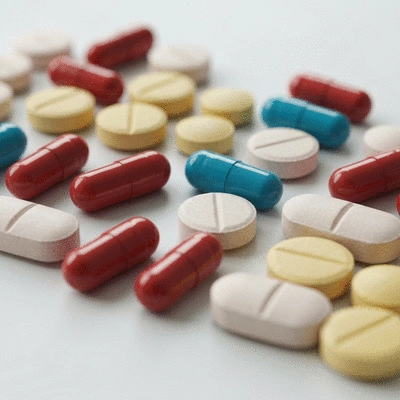
Defining Inactive Ingredients and Their Role in Drug Formulation
Inactive ingredients are additives included in medications to enhance their overall performance. They can influence factors like texture, stability, and absorption rates. Common excipients include binders, fillers, and preservatives, each serving a unique purpose in the drug formulation process.
- Binders: Help hold the tablet together.
- Fillers: Increase the bulk of the tablet so it can be manufactured.
- Preservatives: Prevent contamination and extend shelf life.
At Thyroid Health Hub, we emphasize the importance of these ingredients because they can sometimes lead to unexpected reactions in patients, especially those with sensitivities. For more detailed information, the FDA provides comprehensive labeling documentation for various medications, including a breakdown of their inactive ingredients.
The Importance of Excipients in Thyroid Treatment
For patients on thyroid medications, excipients can significantly impact treatment outcomes. They help ensure that the active ingredient is delivered effectively and can even influence how your body absorbs the medication. Understanding this can empower you to make informed choices about your treatment.
- Consistency: Adequate excipients help maintain the uniformity of the medication.
- Stability: Protect the active ingredient from degradation.
- Palatability: Improve the taste and ease of swallowing, particularly in liquid formulations.
As you consider your thyroid health journey, remember that every ingredient in your medication matters! Discussing these details with your healthcare provider can lead to better management and a more tailored approach to your treatment.
Impact of Inactive Ingredients on Absorption and Efficacy
Now that we understand what inactive ingredients are, let’s explore how they can affect the absorption and efficacy of thyroid medications.
We Want to Hear From You!
What are your experiences with inactive ingredients in thyroid medications? Have you ever had a reaction or found a formulation that worked better for you? Share your thoughts below:
Frequently Asked Questions (FAQs)
Summarizing the Impact of Inactive Ingredients on Thyroid Treatments
As we've delved into the complexities of thyroid medications, it's evident that inactive ingredients play a crucial role in treatment efficacy. Understanding how these excipients influence your health can empower you to make informed decisions about your thyroid care. By recognizing the importance of what goes into your medications, you can better advocate for your health!
For patients and caregivers, it's essential to grasp the key aspects surrounding inactive ingredients. Here are some key takeaways:
- Informed Choices: Knowing the excipients in your medications can help prevent adverse reactions.
- Medication Efficacy: The right formulation can significantly affect how your body absorbs and utilizes thyroid hormones. Research published in PMC highlights the varied effects of different levothyroxine formulations on absorption.
- Open Communication: Maintaining a dialogue with your healthcare provider about excipients ensures you receive the best treatment possible.
These points highlight that understanding inactive ingredients in thyroid medications is not just about avoiding allergens; it's about enhancing the overall treatment experience. You can also explore resources like Thyroid Pharmacist for insights into medications for Hashimoto's and hypothyroidism, which often discuss excipients.

Recommendations for Discussing Excipients with Healthcare Providers
When it comes to your health, being proactive is key! Here are some recommendations for discussing inactive ingredients with your healthcare provider:
- Prepare Questions: Write down any concerns or questions regarding specific excipients found in your medications.
- Share Your History: Inform your provider of any past reactions you've experienced related to inactive ingredients.
- Ask About Alternatives: Explore whether there are alternative medications with different excipients that may suit you better.
By taking these steps, you can effectively communicate your needs and preferences, leading to a more personalized treatment plan.
The Role of Quality Assurance and FDA Regulations in Thyroid Medications
The quality and safety of thyroid medications are paramount, which is where the FDA regulations come into play. The FDA requires rigorous testing and standards to ensure that all components of medications, including inactive ingredients, meet high safety standards.
Here are some important aspects of FDA regulations regarding thyroid medications:
- Manufacturing Standards: All manufacturers must adhere to strict guidelines to ensure consistent quality.
- Labeling Requirements: Medications must clearly list all active and inactive ingredients, aiding transparency for patients.
- Post-Market Surveillance: The FDA monitors products even after they reach the market to ensure continued safety and efficacy.
By understanding these regulations, patients can feel more confident in the medications they receive, knowing they have been thoroughly vetted for quality and safety!
Recap of Key Points
Here is a quick recap of the important points discussed in the article:
- Understanding Inactive Ingredients: These excipients play a significant role in drug formulation, affecting stability and absorption.
- Importance in Treatment: The right excipients can enhance medication efficacy and patient experience.
- Informed Choices: Being aware of inactive ingredients helps prevent adverse reactions and ensures better health management.
- Communication with Healthcare Providers: Open dialogue regarding excipients can lead to more personalized treatment plans.
- FDA Regulations: Understanding the FDA's role in ensuring the quality and safety of medications can boost patient confidence.