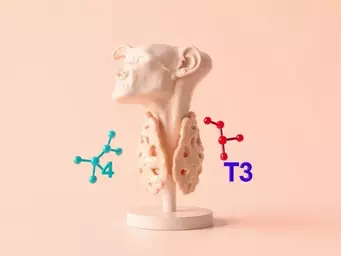
Thyroid and Parathyroid Hormones Explained
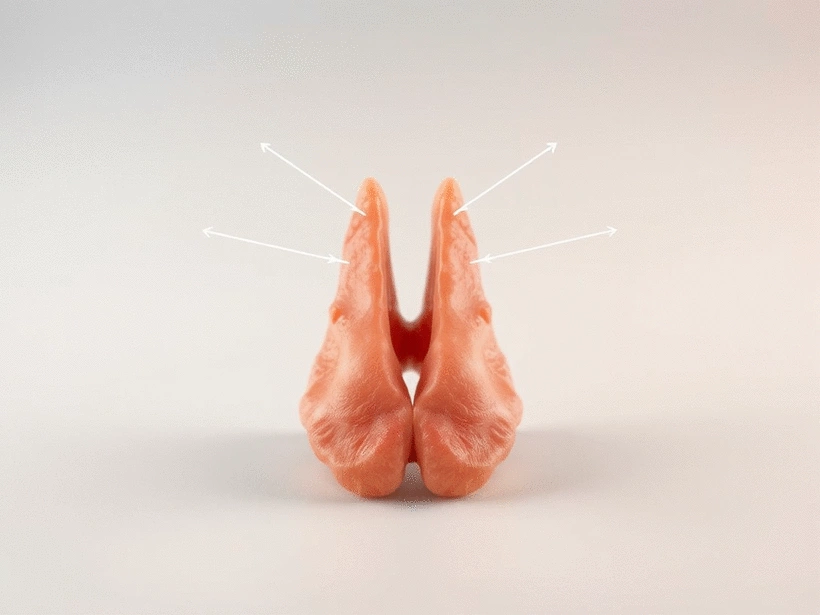
Did you know that your thyroid hormones play a pivotal role in regulating your metabolism and overall health? Understanding this can empower you to make informed choices for your well-being.
What You Will Learn
- Thyroid hormones, specifically T3 and T4, are crucial for converting food into energy and regulating metabolism.
- Calcitonin, produced by the thyroid, plays a significant role in managing calcium levels and bone health.
- Lifestyle factors such as diet, exercise, stress management, and sleep quality directly impact thyroid and parathyroid health.
- Understanding the symptoms of hormonal imbalance, like fatigue and weight changes, is essential for seeking timely medical advice.
The Interplay of Thyroid and Parathyroid Hormones: A Visual Guide
This visual illustrates the key hormones involved in metabolism and calcium regulation, their primary functions, and how lifestyle factors influence their balance.
THYROID HORMONES
Metabolism Regulators
T3 & T4
Energy & BMR
Regulate basal metabolic rate, protein synthesis, lipid breakdown, heart rate, and body temperature.
Calcitonin
Calcium Balance
Lowers blood calcium levels by inhibiting bone resorption, maintaining bone health.
PARATHYROID HORMONES
Calcium Homeostasis
PTH (Parathyroid Hormone)
Calcium Increaser
Increases blood calcium by stimulating bone resorption, enhancing intestinal absorption (via Vitamin D), and reducing renal excretion.
PTH & Vitamin D
Enhanced Absorption
PTH activates Vitamin D, which is crucial for calcium absorption from diet and maintaining bone health.
LIFESTYLE CHOICES
Hormonal Health Drivers
Diet & Exercise
Fuel & Function
- Balanced diet (iodine, selenium, calcium)
- Regular physical activity
Stress & Sleep
Balance & Recovery
- Mindfulness, Yoga (stress management)
- Adequate rest (sleep quality)
Understanding the Role of Thyroid Hormones in Metabolism
Thyroid hormones are crucial players in your body's metabolism, acting as the engine that drives many of your physiological processes. In essence, these hormones help to regulate how your body converts food into energy. You might be asking yourself, “What exactly are these hormones, and why are they so important?” Let’s break it down together.
What Are Thyroid Hormones? Exploring T3, T4, and Calcitonin
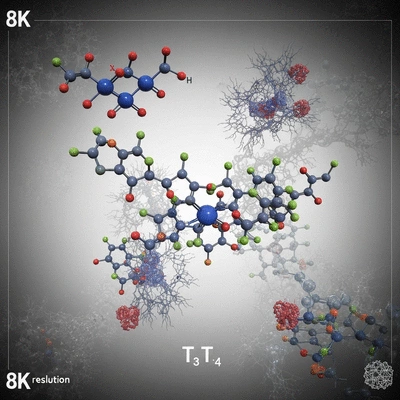
At the heart of thyroid function are three key hormones: triiodothyronine (T3), thyroxine (T4), and calcitonin. T3 and T4 are the main hormones produced by the thyroid gland, while calcitonin plays a different but equally important role in calcium regulation.
- T3 (Triiodothyronine): The more active form of thyroid hormone, T3 influences almost every cell in the body.
- T4 (Thyroxine): This hormone is converted into T3 in tissues and is vital for energy metabolism. For more in-depth information about the thyroid gland and its functions, you can refer to authoritative sources like the SEER Training Modules.
- Calcitonin: This hormone helps manage calcium levels, preventing the levels in the blood from becoming too high.
Understanding these hormones is essential for grasping how they affect your metabolism and overall health. When the balance between them is disrupted, it can lead to various health issues, especially regarding conditions like hypothyroidism, which I often see in my practice at the Thyroid Health Hub.
The Functions of T3 and T4 in Regulating Metabolism
T3 and T4 primarily influence your metabolism by regulating energy production and consumption in the body. They affect how your body uses carbohydrates, fats, and proteins, essentially determining how quickly you burn calories. Have you ever felt unusually tired or gained weight unexpectedly? These could be signs that your thyroid hormones are not functioning properly!
Here’s how T3 and T4 work:
- They increase the basal metabolic rate (BMR), which is the rate your body uses energy while at rest.
- They promote the synthesis of proteins and the breakdown of lipids, contributing to overall energy levels.
- They help regulate heart rate and body temperature, influencing how you feel throughout the day.
The Role of Calcitonin in Calcium Regulation
Calcitonin, while less discussed, has a significant role in managing calcium levels in the body. It is produced by the parafollicular cells (C cells) of the thyroid and works to lower blood calcium levels when they are too high. This hormone does so by inhibiting bone resorption—the process through which bones release calcium into the bloodstream.
In this way, calcitonin helps maintain bone health and supports the overall calcium balance in your body. It’s a prime example of how interconnected our hormonal systems are, reinforcing the importance of understanding how they work together.
How Thyroid Hormones Impact Blood Calcium Levels
Thyroid hormones, particularly T3 and T4, indirectly affect blood calcium levels by influencing the body's metabolic processes. When your metabolism speeds up, it can lead to changes in calcium utilization and overall bone health. This connection can be especially important for individuals dealing with thyroid disorders, as their calcium regulation might be impacted.
If you suspect that your thyroid health might be affecting your calcium levels, it’s essential to reach out for an evaluation. At the Thyroid Health Hub, we’re committed to helping you navigate this complex relationship between thyroid and calcium homeostasis.
The Parathyroid Hormones: Key Players in Calcium Homeostasis
Just as thyroid hormones play a vital role in metabolism, parathyroid hormones are essential for maintaining calcium homeostasis. The parathyroid glands, located behind the thyroid, are responsible for producing parathyroid hormone (PTH), which has a crucial impact on calcium regulation in your body.
Understanding Parathyroid Hormone (PTH) and Its Functions
PTH is the hormone that increases calcium levels in the blood when they drop too low. It works in conjunction with calcitonin, creating a delicate balance that maintains optimal calcium levels. You may be wondering, “How does PTH do this?” Let’s take a closer look!
- Increases bone resorption: PTH stimulates the release of calcium from bones into the bloodstream.
- Enhances intestinal absorption: It promotes the activation of vitamin D, which helps the intestines absorb calcium from food.
- Reduces renal excretion: It decreases the amount of calcium lost through urine. For a detailed understanding of the parathyroid gland's role in calcium homeostasis, consult resources like StatPearls' article on Physiology, Parathyroid Hormone.
Understanding PTH and its functions can help you appreciate how your body works to maintain calcium balance—a process that is vital for your overall health.
How PTH Increases Calcium Levels in the Blood
When calcium levels in your blood fall, PTH kicks into action. It increases calcium levels by acting on the bones, kidneys, and intestines. Its multifaceted approach ensures that your blood calcium levels remain stable, which is crucial for proper muscle function, nerve signaling, and blood clotting.
In my experience at the Thyroid Health Hub, many patients are unaware of how closely related thyroid and parathyroid hormones are. Understanding their roles can empower you to make informed health decisions.
The Interaction Between PTH and Vitamin D
Vitamin D plays a critical role in calcium homeostasis, and its interaction with PTH is crucial. PTH stimulates the conversion of vitamin D into its active form, which in turn enhances calcium absorption from the diet. This relationship underscores the importance of maintaining adequate vitamin D levels for bone health and calcium regulation.
If you are concerned about your vitamin D levels, consider discussing this with your healthcare provider. It’s vital to ensure that your body has the necessary nutrients to function optimally, especially if you have a thyroid or parathyroid condition.
The Role of Calcium Sensing Receptor in Hormonal Regulation
The calcium sensing receptor (CaSR) is a key player in the regulation of serum calcium levels. Located in various tissues, including the parathyroid glands, it helps to detect changes in blood calcium levels and adjusts hormone secretion accordingly. When calcium levels rise, CaSR signals the parathyroid glands to reduce PTH production, showcasing the body’s remarkable ability to maintain balance. For more information on the calcium-sensing receptor and its regulatory functions, you can read about it on PubMed Central.
This feedback loop, combined with the effects of thyroid hormones, highlights how interconnected our hormonal systems are. Understanding these dynamics can empower you to take proactive steps in managing your health.
Pro Tip
Did you know that incorporating iodine-rich foods into your diet, such as seaweed and fish, can significantly support your thyroid hormone production? This simple dietary change can help maintain hormonal balance and improve overall health, especially for those at risk of thyroid disorders.
Long-Term Implications of Thyroid and Parathyroid Hormone Interactions
The delicate balance between thyroid and parathyroid hormones plays a crucial role in our overall health. Understanding these interactions helps us appreciate how lifestyle choices can impact not only our hormonal balance but also our long-term well-being. As someone deeply invested in thyroid health, I’ve seen firsthand how small changes can yield significant benefits for patients navigating these complex hormonal landscapes.
It’s essential to recognize that factors such as diet, exercise, and stress management can influence both thyroid function and parathyroid hormone levels. Let’s dive into how these lifestyle choices affect our hormonal health.
How Lifestyle Choices Affect Hormonal Balance and Overall Health
Our daily habits can either support or hinder the health of our thyroid and parathyroid systems. Adopting a healthy lifestyle can make a world of difference! Here are key lifestyle choices that impact hormonal balance:
- Diet: Consuming a balanced diet rich in essential nutrients, including iodine, selenium, and calcium, is vital for optimal thyroid function.
- Exercise: Regular physical activity helps regulate hormone levels and can reduce the risk of developing thyroid-related issues.
- Stress Management: Techniques such as mindfulness and yoga can mitigate stress, which is known to affect hormone levels.
- Sleep Quality: Adequate rest is crucial for hormonal balance, as poor sleep can disrupt thyroid function.
These choices not only bolster your hormonal health but also empower you to take control of your well-being! Have you considered how your current lifestyle supports your thyroid health?
The Impact of Diet and Exercise on Hormonal Function
When it comes to diet, certain foods can directly influence thyroid health. Incorporating iodine-rich foods, such as seaweed and fish, can support hormone production. Additionally, a diet high in antioxidants, like fruits and vegetables, can help combat oxidative stress that affects hormone balance.
Exercise is equally important! Engaging in activities that boost metabolism, such as aerobic exercises and strength training, can enhance thyroid function and improve your body’s overall hormone regulation.

Understanding Osteoporosis Risk Related to Thyroid Function
It’s vital to note that both hyperthyroidism and hypothyroidism can increase the risk of osteoporosis. When thyroid hormones are out of balance, they can affect bone density. As an endocrinologist, I encourage my patients to be vigilant about their bone health, especially if they have thyroid disorders.
Regular screening for bone density and understanding how thyroid function impacts calcium regulation can lead to earlier interventions and better health outcomes. Have you had your bone health assessed recently?
Key Takeaways and Next Steps for Hormonal Health
Recognizing the interconnectedness of thyroid and parathyroid hormones is crucial for managing your health effectively. By making informed lifestyle choices, you can positively influence your hormonal balance and overall well-being.
As we move forward, let’s explore how to stay proactive about our health and when to seek medical advice.
Frequently Asked Questions (FAQs)
Q: What are the primary functions of T3 and T4 hormones?
A: T3 and T4 hormones are crucial for regulating your basal metabolic rate (BMR), protein synthesis, lipid breakdown, heart rate, and body temperature. They essentially control how your body converts food into energy and manages overall energy levels.
Q: How does Calcitonin contribute to overall health?
A: Calcitonin plays a significant role in managing calcium levels in the body. It lowers blood calcium by inhibiting bone resorption, thereby helping to maintain bone health and prevent blood calcium levels from becoming too high.
Q: What is the main role of Parathyroid Hormone (PTH)?
A: Parathyroid Hormone (PTH) is responsible for increasing blood calcium levels when they drop too low. It achieves this by stimulating calcium release from bones, enhancing intestinal absorption of calcium (with the help of Vitamin D), and reducing calcium excretion by the kidneys.
Q: How do lifestyle factors influence thyroid and parathyroid health?
A: Lifestyle factors such as diet, exercise, stress management, and sleep quality directly impact hormonal balance. A balanced diet (rich in iodine, selenium, calcium), regular physical activity, effective stress reduction techniques, and adequate sleep are all vital for supporting optimal thyroid and parathyroid function.
Q: What symptoms suggest a hormonal imbalance related to thyroid or parathyroid glands?
A: Common symptoms of hormonal imbalance include unexplained weight changes, persistent fatigue or low energy levels, noticeable changes in mood or mental clarity, and bone pain or fractures. If you experience any of these, it's advisable to consult a healthcare provider for evaluation.
Recognizing Symptoms: When to Seek Help
Understanding the signs that indicate hormonal imbalance is the first step toward better health. Look out for symptoms such as:
- Unexplained weight changes
- Fatigue or low energy levels
- Changes in mood or mental clarity
- Bone pain or fractures
If you notice any of these symptoms, it’s essential to consult with your healthcare provider for further evaluation.
Creating a Personalized Health Screening Checklist
Having a health screening checklist can help you keep track of important tests and appointments. Consider including:
- Annual thyroid function tests
- Bone density scans if at risk for osteoporosis
- Regular blood tests for calcium and vitamin D levels
- Check-ins with your healthcare provider to discuss any changes in symptoms
With this checklist, you can stay proactive about your health and ensure that you're covering all necessary bases!
Engaging with Healthcare Providers: Questions to Ask
When meeting with your healthcare provider, it’s important to come prepared with questions. Here are some suggestions:
- What tests should I get to monitor my thyroid and parathyroid health?
- How can my diet and lifestyle changes improve my hormonal balance?
- What symptoms should I be vigilant about moving forward?
- Are there specific screenings recommended based on my family history?
By fostering open communication with your healthcare team, you can take a more active role in managing your thyroid and parathyroid health effectively!
Recap of Key Points
Here is a quick recap of the important points discussed in the article:
- Thyroid hormones, including T3 and T4, play a crucial role in regulating metabolism and energy levels.
- Calcitonin helps manage blood calcium levels and supports bone health.
- Lifestyle choices, such as diet, exercise, and stress management, significantly impact hormonal balance and overall health.
- Recognizing symptoms of hormonal imbalance is essential for seeking timely medical advice.
- Creating a health screening checklist can help monitor thyroid and parathyroid health effectively.