Thyroid Hormones and Heart Health
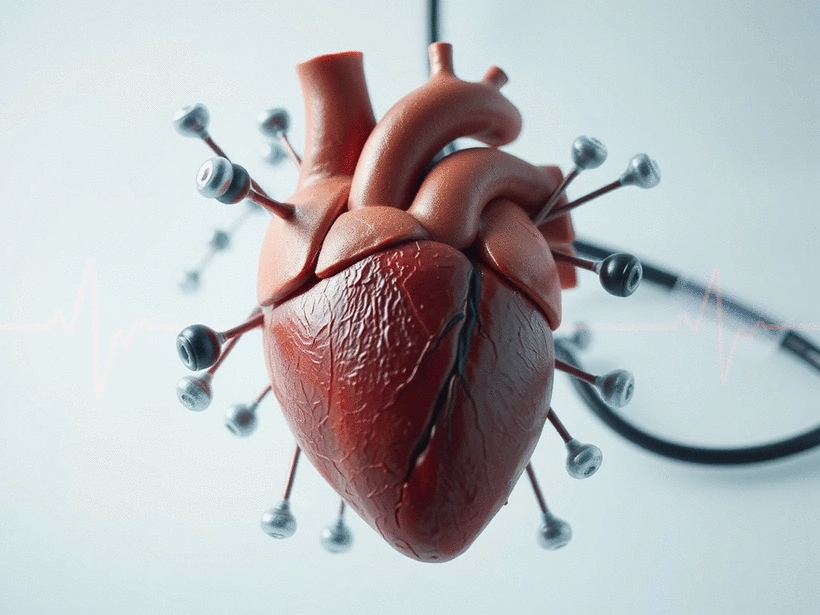
Have you considered the far-reaching effects of thyroid hormones on your heart health? Understanding this connection is essential for anyone looking to improve their cardiovascular well-being. Let’s uncover the vital insights regarding thyroid hormones and their pivotal role in heart function.
What You Will Learn
- Thyroid hormones are crucial for regulating heart rate and overall cardiac function.
- An imbalance in thyroid hormones can lead to conditions like tachycardia or bradycardia.
- Both hyperthyroidism and hypothyroidism pose unique cardiovascular risks that need careful monitoring.
- Understanding the genomic and nongenomic effects of thyroid hormones can enhance your health management strategies.
- Proactive steps, such as regular physical activity and a diet rich in thyroid-supportive nutrients, can optimize thyroid health and improve heart function.
Thyroid Hormones and Heart Health: A Comparative View
This visual illustrates the critical impact of thyroid hormone imbalances on key cardiovascular metrics, comparing the effects of hyperthyroidism and hypothyroidism.
Thyroid Hormone Imbalance Impact on Heart ❤️
Hyperthyroidism
- ↑ Heart Rate
- ↑ Contractility
- ↑ Oxygen Demand
- ↑ Arrhythmia Risk
Hypothyroidism
- ↓ Heart Rate
- ↓ Contractility
- ↓ Oxygen Demand
- ↓ Cardiac Output
Key Hormones & Their Roles
TSH (Thyroid Stimulating Hormone)
Stimulates thyroid hormone production.FT3 (Free Triiodothyronine)
Increases heart's metabolic rate, directly affects heart rate.FT4 (Free Thyroxine)
Precursor to FT3, crucial for overall hormone balance.Physiological Mechanisms
Genomic Actions
Influences gene expression for heart cell proteins.Nongenomic Actions
Rapid responses affecting heart rate and contractility.Cardiac Preload & Contractility
Thyroid hormones enhance heart's pumping efficiency.The Role of Thyroid Hormones in Cardiac Function and Health
Understanding how thyroid hormones impact our heart is essential for maintaining overall cardiovascular health. Hormones like TSH (Thyroid Stimulating Hormone), FT3 (Free Triiodothyronine), and FT4 (Free Thyroxine) play crucial roles in regulating heart rate and function. When these hormones are out of balance, it can lead to significant health issues that affect not just the heart but the entire body.
- Thyroid hormones modulate heart rate.
- They influence the force of cardiac contractions.
- Thyroid function is directly linked to vascular health.
By understanding these connections, we can better appreciate the importance of maintaining a healthy thyroid. Have you ever thought about how your thyroid might be influencing your heart health? Let's dive deeper!
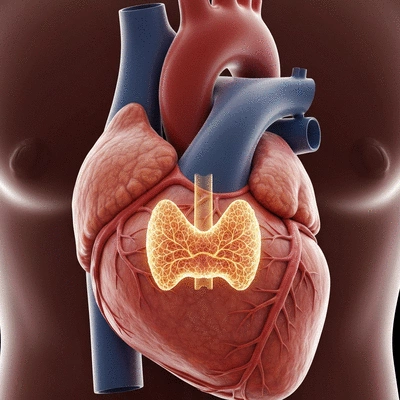
Understanding the Connection Between Thyroid Hormones and Heart Rate
Thyroid hormones significantly influence heart rate. For instance, high levels of FT3 can increase our heart rate, leading to feelings of anxiety or even palpitations. Conversely, low levels can slow the heart down, causing fatigue and lethargy. This delicate balance is essential for our body's overall functioning.
- TSH: Stimulates the production of thyroid hormones.
- FT3: Increases the heart's metabolic rate.
- FT4: Serves as a precursor to FT3 and is vital for overall hormone balance.
Understanding these relationships empowers us to take charge of our health. Have you experienced any symptoms that might suggest a thyroid imbalance? Recognizing these signs early can help us seek appropriate treatment and manage our health better.
Physiological Mechanisms Behind Thyroid Hormone Action on Heart Rate
Thyroid hormones exert their effects through both genomic and nongenomic actions. Genomically, they influence gene expression in heart cells, while nongenomic actions can lead to rapid responses, such as changes in heart rate and contractility. This two-pronged approach allows our body to adapt swiftly to changes in thyroid hormone levels.
Genomic and Nongenomic Effects of Thyroid Hormones
Through genomic action, thyroid hormones bind to receptors that regulate the transcription of genes involved in heart function. This action helps our heart cells produce proteins that are essential for proper contraction and relaxation. On the other hand, nongenomic actions trigger immediate responses, impacting heart rate and the strength of heartbeats without altering gene expression.
Impact on Cardiac Preload and Contractility
Thyroid hormones also affect cardiac preload and contractility, which are critical for maintaining optimal cardiac output. Increased thyroid hormone levels can enhance the heart's ability to pump blood effectively, thus improving circulation. Conversely, hypofunction can lead to decreased cardiac efficiency.
- Enhanced contractility leads to better blood flow.
- Increased preload can optimize heart performance.
- Thyroid status directly influences systemic vascular resistance.
By exploring how thyroid hormones affect these physiological processes, we gain insights into the broader implications for our heart health. Are you curious about how to maintain optimal thyroid levels for better heart function?

The Influence of Thyroid Hormones on Myocardial Oxygen Demand
Thyroid hormones critically modulate myocardial oxygen requirements. An increase in thyroid hormone levels demands more oxygen for the heart muscle to function effectively. When functioning properly, this can support physical performance and endurance, but imbalances can lead to detrimental effects.
- Hyperthyroidism increases oxygen demand.
- Hypothyroidism can lead to decreased heart efficiency.
- Monitoring thyroid levels helps manage oxygen needs.
By understanding these influences, we can appreciate how crucial it is to monitor thyroid health as part of our overall wellness strategy. Are you ready to take control of your heart health by managing your thyroid effectively?
Pro Tip
Did you know that regular monitoring of your thyroid hormone levels can help prevent potential cardiovascular issues? Keeping track of your TSH, FT3, and FT4 levels not only aids in managing thyroid function but can also significantly enhance your heart health. Consider scheduling routine check-ups with your healthcare provider to ensure your thyroid remains balanced!
Frequently Asked Questions About Thyroid Hormones and Heart Health
- Q: How do thyroid hormones affect heart rate?
- A: Thyroid hormones, especially FT3, directly influence the heart's metabolic rate. High levels can increase heart rate (tachycardia), while low levels can slow it down (bradycardia).
- Q: What are the risks of hyperthyroidism for heart health?
- A: Hyperthyroidism can lead to increased heart rate, contractility, oxygen demand, and a higher risk of arrhythmias. These effects can strain the cardiovascular system.
- Q: What are the risks of hypothyroidism for heart health?
- A: Hypothyroidism can result in decreased heart rate, reduced contractility, lower oxygen demand, and decreased cardiac output, potentially leading to fatigue and lethargy.
- Q: What is the difference between genomic and nongenomic actions of thyroid hormones on the heart?
- A: Genomic actions involve thyroid hormones influencing gene expression in heart cells, affecting protein production for contraction and relaxation. Nongenomic actions are rapid responses that directly impact heart rate and contractility without altering gene expression.
- Q: How can I maintain optimal thyroid levels for better heart function?
- A: Maintaining optimal thyroid levels involves regular monitoring of TSH, FT3, and FT4, adhering to prescribed treatments, and adopting a healthy lifestyle that includes regular physical activity, a balanced diet rich in thyroid-supporting nutrients, and stress management techniques.
Summary of Thyroid Hormones' Impact on Heart Health
In this discussion, we've explored the critical role that thyroid hormones play in regulating heart rate and influencing cardiovascular health. Understanding how hormones like TSH, FT3, and FT4 interact with heart function is essential for anyone managing thyroid-related conditions. We've seen how both hyperthyroidism and hypothyroidism can significantly alter heart health, leading to conditions such as tachycardia, bradycardia, and even more severe cardiovascular complications.
To recap, here are the key takeaways regarding thyroid hormones and heart health:
- Thyroid hormones are vital for maintaining optimal heart rate and cardiac function.
- Hyperthyroidism can lead to increased heart rate and potential arrhythmias.
- Hypothyroidism may result in decreased heart rate and reduced cardiac output.
- Both conditions pose unique cardiovascular risks that warrant careful management.
Engaging with Your Cardiovascular Health
Taking Proactive Steps in Thyroid Health Management
As we delve deeper into the intertwined relationship between thyroid health and cardiovascular wellness, I encourage you to take an active role in managing your thyroid condition. This means not only adhering to prescribed treatments but also making lifestyle adjustments that support both your thyroid and heart health. Have you considered how your daily choices might impact both systems? Think about incorporating:
- Regular physical activity
- A balanced diet rich in thyroid-supporting nutrients
- Routine monitoring of thyroid hormone levels
- Stress management techniques
These proactive steps can lead to improved heart health and overall well-being. Remember, you have the power to influence your health outcomes significantly!
Resources for Further Information and Support
For those looking for more resources on thyroid health and its impact on cardiovascular wellness, Thyroid Health Hub offers a variety of materials and support options. Here are some great places to start:
- Thyroid Health Hub Resources - Comprehensive guides and articles on thyroid health.
- Support Groups - Connect with others facing similar challenges.
- Newsletter Subscription - Stay updated on the latest in thyroid research and health tips.
Don't hesitate to reach out for help or more information—your journey to better thyroid and heart health is important, and you don't have to navigate it alone!
Recap of Key Points
Here is a quick recap of the important points discussed in the article:
- Thyroid hormones are vital for maintaining optimal heart rate and cardiac function.
- Hyperthyroidism can lead to increased heart rate and potential arrhythmias.
- Hypothyroidism may result in decreased heart rate and reduced cardiac output.
- Both conditions pose unique cardiovascular risks that warrant careful management.
- Regular monitoring of thyroid hormone levels is essential for heart health.
- Lifestyle adjustments can significantly impact thyroid and heart health.