Hypothyroidism Diagnosis in Pregnancy

Are you aware that symptoms of hypothyroidism during pregnancy can often mimic the typical changes of pregnancy itself? Understanding the differences is essential to ensure the health of both mother and baby. Let’s break down the key insights to empower you in your health journey.
What You Will Learn
- Recognizing symptoms of hypothyroidism such as persistent fatigue and cold intolerance is crucial for timely diagnosis.
- Common pregnancy symptoms can overlap with hypothyroidism signs, making awareness and monitoring essential.
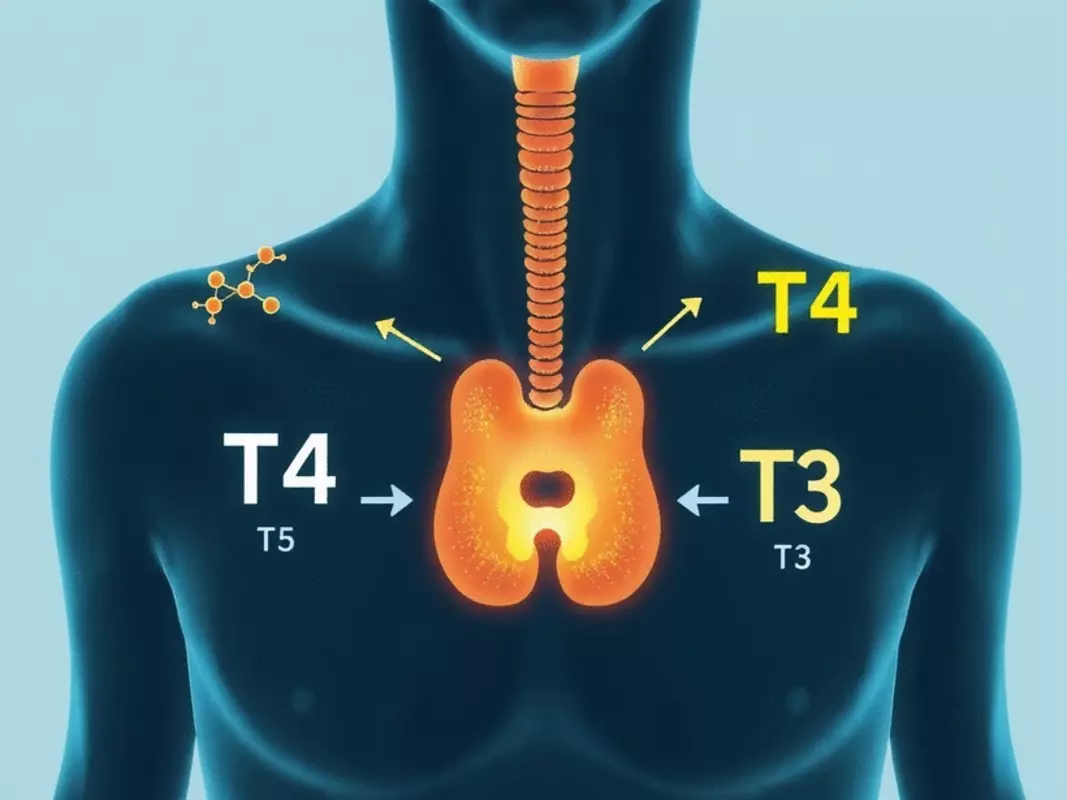
- Diagnostic tests like TSH and Free T4 levels are important for assessing thyroid function in expecting mothers.
- Open communication with your healthcare provider about symptoms and treatment options can lead to better health outcomes.
Hypothyroidism in Pregnancy: Symptom Comparison
This visual compares common pregnancy symptoms with those that may indicate underlying hypothyroidism, helping expecting mothers differentiate and understand when to consult a healthcare provider.
Pregnancy-Related Symptoms
- Fatigue: Common
- Cold Intolerance: Possible
- Weight Gain: Normal
- Constipation: Common
Hypothyroidism Symptoms
- Fatigue: Persistent
- Cold Intolerance: Frequent
- Weight Gain: Excessive
- Constipation: Often severe
Key Diagnostic Tests
- TSH Testing: First-line assessment.
- Free T4 Levels: Hormone level understanding.
- Antibody Testing: Autoimmune implications.
Nutritional Considerations
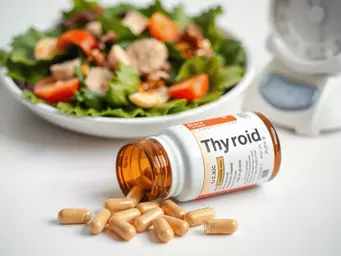
- Iodine: Crucial for hormone production.
- Selenium: Supports thyroid function.
- Balanced Diet: Variety of fruits, veggies, grains.
Understanding Hypothyroidism in Pregnancy: Key Symptoms and Indicators
When it comes to pregnancy, understanding hypothyroidism is crucial for both mothers and healthcare providers. Many women experience overlapping symptoms during pregnancy, which can often mask the signs of hypothyroidism. Symptoms like fatigue and cold intolerance are not uncommon in expecting mothers, but they can also indicate an underlying thyroid issue. So, how can you tell the difference? Let’s dive into recognizing these symptoms!
Recognizing Common Symptoms of Hypothyroidism During Pregnancy
Recognizing the signs of hypothyroidism during pregnancy can be a bit challenging. Here are some common symptoms to look out for:
- Fatigue: Persistent tiredness that goes beyond the typical pregnancy fatigue.
- Cold Intolerance: Increased sensitivity to cold temperatures.
- Weight Changes: Unexplained weight gain that isn't related to dietary changes.
- Constipation: Digestive issues that seem more pronounced than usual.
These symptoms can overlap with the normal changes of pregnancy, making it essential to stay informed about your body. If you notice any significant changes, don’t hesitate to reach out to your healthcare provider for further evaluation.
Detailed Overview of Symptoms Associated with Hypothyroidism
Beyond the common symptoms, there are several other indicators that may signal hypothyroidism. Understanding these can be vital for timely diagnosis:
- Depression: Feelings of sadness or anxiety that seem heightened.
- Dry Skin: Noticeably drier skin that doesn't respond well to moisturizers.
- Hair Loss: Increased hair shedding or thinning hair.
- Goiter: Swelling at the base of the neck due to thyroid enlargement.
By familiarizing yourself with these symptoms, you can better advocate for your health during pregnancy. The American College of Obstetricians and Gynecologists (ACOG) provides clinical guidance on thyroid disease in pregnancy, emphasizing the importance of early detection and management. At Thyroid Health Hub, we believe that knowledge is power. Have you noticed any of these signs? It might be time to discuss them with your doctor!
When to Consider Hypothyroidism: Symptom Comparison Table
To help you understand the differences better, here's a table comparing typical pregnancy symptoms with those associated with hypothyroidism:
| Symptom | Pregnancy-Related | Hypothyroidism |
|---|---|---|
| Fatigue | Common | Persistent |
| Cold Intolerance | Possible | Frequent |
| Weight Gain | Normal | Excessive |
| Constipation | Common | Often severe |
This table serves as a quick reference to help you assess your symptoms. If you find yourself experiencing multiple symptoms from the hypothyroidism column, it may be worth discussing with your healthcare provider. Remember, awareness can lead to better management of your pregnancy and overall thyroid health!
Essential Diagnostic Tests for Identifying Hypothyroidism in Expecting Mothers
Identifying hypothyroidism early is essential for a healthy pregnancy. Understanding the necessary diagnostic tests can empower you in your health journey. With my expertise at Thyroid Health Hub, I want to ensure you're well-informed about your options.
Quick Poll: Your Experience Matters!
Have you experienced any symptoms of hypothyroidism during your pregnancy? We want to hear from you!
Frequently Asked Questions About Hypothyroidism in Pregnancy
Here are some common questions about hypothyroidism during pregnancy:
- Q: How do I differentiate between normal pregnancy symptoms and hypothyroidism symptoms?
- A: While many symptoms overlap, persistent and severe fatigue, frequent cold intolerance, excessive weight gain, and severe constipation are more indicative of hypothyroidism. Always consult your healthcare provider for a proper diagnosis.
- Q: What are the key diagnostic tests for hypothyroidism in pregnancy?
- A: The primary tests include TSH (Thyroid-Stimulating Hormone) testing, Free T4 levels to understand hormone concentrations, and possibly antibody testing to identify autoimmune implications.
- Q: What are the potential risks of untreated hypothyroidism during pregnancy?
- A: Untreated hypothyroidism can lead to complications such as preeclampsia, placental abruption, preterm birth, and adverse effects on fetal neurodevelopment. Early diagnosis and treatment are crucial.
- Q: How important is nutrition for managing thyroid health during pregnancy?
- A: Nutrition plays a vital role. Ensuring adequate intake of iodine (e.g., from iodized salt and seafood) and selenium (e.g., from nuts and seeds) is crucial for thyroid hormone production and function. A balanced diet is always recommended.
- Q: Why is open communication with my healthcare provider so important?
- A: Open communication ensures that your symptoms are accurately assessed, you receive appropriate diagnostic tests, and your treatment plan is tailored to your specific needs. It empowers you to be an active participant in your health journey and leads to better outcomes for both you and your baby.
Summarizing Key Considerations for Hypothyroidism Management in Pregnancy
As we wrap up our exploration of hypothyroidism in pregnancy, it's crucial to highlight the key diagnostic tools and management strategies that can make a difference for expecting mothers. Understanding how to navigate thyroid health is an essential part of ensuring both maternal and fetal well-being. Let's recap the important points!
Final Thoughts on Diagnosis and Treatment Approaches
Effective management of hypothyroidism during pregnancy starts with accurate diagnosis. The following diagnostic tools are instrumental:
- TSH Testing: The first-line test for assessing thyroid function.
- Free T4 Levels: Helps in understanding hormone levels for proper management. Studies published by the Journal of Clinical Endocrinology & Metabolism provide further insight into the complexities of thyroid function during pregnancy.
- Antibody Testing: Identifies thyroid peroxidase antibodies, crucial for understanding autoimmune implications.
By using these tools, clinicians can tailor treatment approaches, ensuring that the health needs of both mother and baby are met. Remember, every patient's journey is unique, so personalized care is key!

Encouraging Open Communication with Healthcare Providers
One of the most significant aspects of managing hypothyroidism in pregnancy is fostering an environment of open communication with your healthcare provider. Don't hesitate to ask questions during your appointments! Engaging in discussions about your symptoms, treatment options, and any concerns you may have can lead to better outcomes.
- Ask about your test results and what they mean.
- Discuss any side effects you may experience from medications.
- Inquire about lifestyle changes that can support your thyroid health.
For more detailed information on the physiology of pregnancy and its impact on thyroid function, resources like those from the National Center for Biotechnology Information (NCBI) offer comprehensive insights. At Thyroid Health Hub, we believe that informed patients are empowered patients. Your voice matters in this journey, so speak up!
Resources for Patients and Healthcare Providers
Decision Aids: When to Test and Refer
Visual tools can be incredibly helpful for both patients and healthcare providers when deciding on testing and referrals. These resources outline clear guidelines on when to initiate testing based on symptoms, risk factors, and family history. Having a structured approach ensures nothing is overlooked!
Staying Informed: Current Guidelines and Evidence Updates
Keeping up with ongoing education is vital in managing hypothyroidism, especially in a rapidly evolving medical landscape. Here are some recommended resources:
- American Thyroid Association - Comprehensive guidelines on thyroid disorders.
- National Center for Biotechnology Information - Evidence-based updates on hypothyroidism.
- Office on Women's Health - Resources specifically tailored for women’s health issues.
These resources will help you stay up to date with the latest information and best practices for managing hypothyroidism in pregnancy.
Nutritional Considerations for Supporting Maternal Thyroid Health
Nutrition plays a pivotal role in supporting thyroid function during pregnancy. Including iodine-rich foods and ensuring a balanced diet can significantly impact thyroid health. Here are some nutritional considerations:
- Iodine: Crucial for thyroid hormone production—consider iodized salt and seafood.
- Selenium: Supports thyroid function—found in nuts and seeds.
- Balanced Diet: Incorporate a variety of fruits, vegetables, whole grains, and proteins.
Being mindful of these dietary choices can empower you to take charge of your thyroid health during this important time. Remember, at Thyroid Health Hub, we are here to help you navigate your health journey with confidence!
Recap of Key Points
Here is a quick recap of the important points discussed in the article:
- Common Symptoms: Look out for persistent fatigue, cold intolerance, unexplained weight changes, and constipation.
- Additional Indicators: Be aware of symptoms like depression, dry skin, hair loss, and a goiter that may indicate hypothyroidism.
- Diagnostic Tests: TSH testing, Free T4 levels, and antibody testing are crucial for accurate diagnosis.
- Open Communication: Engaging with healthcare providers about symptoms and treatment options is essential for effective management.
- Nutritional Support: Incorporating iodine and selenium-rich foods into your diet can support thyroid health during pregnancy.