Thyroid Testing Frequency for Hypothyroidism
Did you know that effective management of hypothyroidism hinges on regular thyroid testing? Understanding your testing frequency can empower you to take charge of your health.
What You Will Learn
- Regular Testing: Consistent monitoring of thyroid hormone levels is essential for adjusting medications as required.
- Individualized Care: The frequency of testing should be tailored to your unique health circumstances, including age and specific symptoms.
- Open Communication: Maintaining a dialogue with your healthcare provider is crucial for aligning your monitoring plan with your health goals.
- TSH Monitoring: Thyroid Stimulating Hormone tests are vital in diagnosing and managing hypothyroidism effectively.
- Symptom Tracking: Keeping a record of any health changes can inform better care during consultations with your healthcare provider.
Understanding Thyroid Testing Frequency
Regular thyroid testing is key to effectively managing hypothyroidism. The frequency of these tests depends on several individual factors, as highlighted below.
Key Factors InfluencingTesting Frequency
- • Age & Overall Health
- • Hormone Stability
- • Other Medical Conditions
Role ofTSH in Monitoring
- ✓ Confirms Hypothyroidism
- ✓ Determines Medication Dosage
- ✓ Allows for Adjustments
Actionable Insights forPatients & Caregivers
- 💡 Track Symptoms
- 💡 Adhere to Schedules
- 💡 Educate Yourself
FAQs onThyroid Health Monitoring
- ? Testing Frequency? (Annual)
- ? Symptoms when levels normal? (Discuss)
- ? Pregnancy schedule changes? (Yes)
Understanding Thyroid Testing Frequency for Hypothyroidism
Managing hypothyroidism effectively requires regular thyroid testing. This is crucial as it helps monitor hormone levels and ensures that you're receiving the right treatment. Just like a car needs regular maintenance to run smoothly, your thyroid health needs consistent check-ups. Have you ever wondered why these tests are so important? Let’s explore that together!
Why Regular Thyroid Tests Matter for Hypothyroidism Management
Regular testing is essential because hypothyroidism can change over time. It's not uncommon for patients to experience fluctuations in their hormone levels, which can affect their overall health and well-being. By staying on top of your thyroid health, you can adjust your treatment plan as needed. This proactive approach can lead to better management of symptoms and help you feel more like yourself!
- Monitor hormone levels accurately
- Adjust medication dosages when necessary
- Detect potential complications early
Engaging in regular testing allows you to collaborate closely with your healthcare provider. It ensures that you're not just treating symptoms but addressing the underlying condition effectively. I always encourage my patients at Thyroid Health Hub to be proactive about their thyroid health, and regular testing is a key part of that journey.

Key Factors Influencing Testing Frequency
Several factors influence how often you should get tested for hypothyroidism. Your individual health status, age, and specific symptoms play significant roles in determining the right frequency. Let's go over a few of these factors that can help tailor testing to your needs:
- Age and overall health
- Stability of thyroid hormone levels
- Presence of other medical conditions
Understanding these factors can empower you to have meaningful conversations with your healthcare provider. At Thyroid Health Hub, I believe that informed patients are better equipped to manage their health effectively!
The Role of Thyroid Stimulating Hormone (TSH) in Monitoring
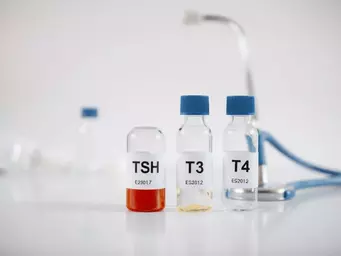
Thyroid Stimulating Hormone (TSH) testing is a cornerstone of monitoring hypothyroidism. TSH is produced by the pituitary gland and signals the thyroid gland to produce thyroid hormones. High levels of TSH can indicate an underactive thyroid, which is the hallmark of hypothyroidism. This test is often the first step in evaluating thyroid function, as detailed by sources like the National Center for Biotechnology Information.
At Thyroid Health Hub, I recommend regular TSH tests to gauge your thyroid health accurately. Here’s why:
- It helps confirm the diagnosis of hypothyroidism. For more details on thyroid function tests, you can refer to resources from the British Thyroid Foundation.
- It assists in determining the appropriate dosage of thyroid medications.
- It allows for adjustments based on your body's changing needs, ensuring effective management as highlighted by the American Thyroid Association.
By keeping a close eye on your TSH levels, you can take charge of your health journey. Remember, understanding the ins and outs of your thyroid function is vital for effective management!
Pro Tip
To optimize your thyroid management, consider keeping a health diary. Document your symptoms, medication changes, and test results. This will not only help you track your progress but also serve as a valuable resource during discussions with your healthcare provider.
Summarizing Key Takeaways on Thyroid Testing for Hypothyroidism
Understanding your thyroid testing frequency is crucial for managing hypothyroidism effectively. Regular testing helps ensure that your treatment plan is optimized and can lead to better health outcomes. Here are some key takeaways to keep in mind:
- Regular Testing: Consistent monitoring of thyroid levels is vital to adjust medication as needed.
- Individualized Care: Testing frequency can vary based on your unique health situation, including age, symptoms, and treatment history.
- Communication is Key: Open dialogue with your healthcare provider ensures that your monitoring plan aligns with your health goals.
By prioritizing these takeaways, you can empower yourself on the journey to managing your thyroid health. Remember, at Thyroid Health Hub, we’re here to provide support and resources to help you navigate this process confidently.

Actionable Insights for Patients and Caregivers
As a patient or caregiver, staying informed is essential. Here are actionable insights to help you manage thyroid testing effectively:
- Keep Track of Symptoms: Document any changes in your health, as this can inform your healthcare provider during check-ups.
- Adhere to Testing Schedules: Stick to the recommended testing intervals to ensure consistent monitoring of your thyroid levels.
- Educate Yourself: Familiarize yourself with hypothyroidism and its management to take charge of your health journey.
These insights will not only aid in effective management but also foster a proactive approach to your health. It’s about feeling empowered and taking steps that align with your well-being!
Encouraging Regular Monitoring and Open Communication
Importance of Discussing Testing Needs with Healthcare Providers
Regular communication with your healthcare provider is vital for effective thyroid management. Discussing your testing needs allows for a personalized approach to your care. Here are some key reasons to keep that dialogue open:
- Clarify Testing Frequency: Your provider can help determine the best schedule based on your specific health status.
- Adjust Medications: Regular discussions can lead to timely adjustments in your thyroid medications to enhance effectiveness.
- Address Concerns: A transparent conversation helps address any worries you might have about your thyroid health or treatment.
Engaging in these discussions fosters a collaborative relationship with your healthcare team, ensuring that your treatment is as effective as possible. Remember, your voice matters!
FAQs: Addressing Your Concerns on Thyroid Health Monitoring
It's common to have questions about thyroid health monitoring. Here are some frequently asked questions to help clarify your concerns:
- How often should I get tested for hypothyroidism? This depends on your individual treatment plan and the stability of your condition. For stable patients, annual tests are standard, but initial diagnosis or medication adjustments may require more frequent testing (e.g., every 4-8 weeks).
- What if I have symptoms even after my levels are normal? Always discuss persistent symptoms with your healthcare provider. Even with "normal" lab results, individual optimal ranges can vary, and other factors might be contributing to your symptoms. Your doctor may consider further investigation or fine-tuning your treatment.
- Do I need to change my testing schedule during pregnancy? Yes! Pregnancy significantly impacts thyroid function, and monitoring needs to be more frequent, often every 4-6 weeks, to ensure optimal thyroid hormone levels for both mother and baby.
- What is the primary test for monitoring hypothyroidism? The primary test is the Thyroid Stimulating Hormone (TSH) test, which measures how much TSH your pituitary gland is producing. High TSH levels usually indicate an underactive thyroid.
- Why is it important to track my symptoms? Tracking symptoms provides valuable information for your healthcare provider, helping them understand how your treatment is affecting your well-being beyond just lab numbers. This can lead to more personalized and effective care adjustments.
By understanding these common questions, you’ll feel more prepared and informed about your health journey. At Thyroid Health Hub, we’re here to support you every step of the way!
Patient Education on Levothyroxine and Thyroid Replacement Therapy
Education about Levothyroxine and thyroid replacement therapy is essential for managing hypothyroidism. Here are a few important points to consider:
- Understanding Dosages: Knowing your prescribed dosage and how it affects your body is crucial for effective management.
- Timing Matters: Taking Levothyroxine consistently at the same time each day can improve its effectiveness.
- Watch for Interactions: Be aware of medications and supplements that may interact with thyroid medications.
Empower yourself with this knowledge, and don't hesitate to reach out with questions. Keeping an informed mindset enables you to take an active role in your health management, and we’re here to help!
Recap of Key Points
Here is a quick recap of the important points discussed in the article:
- Regular Testing: Consistent monitoring of thyroid levels is vital to adjust medication as needed.
- Individualized Care: Testing frequency can vary based on your unique health situation, including age, symptoms, and treatment history.
- Communication is Key: Open dialogue with your healthcare provider ensures that your monitoring plan aligns with your health goals.
- Keep Track of Symptoms: Document any changes in your health to inform your healthcare provider during check-ups.
- Adhere to Testing Schedules: Stick to the recommended testing intervals for consistent thyroid level monitoring.
- Educate Yourself: Familiarize yourself with hypothyroidism and its management to take charge of your health journey.