Ultrasound in Thyroid Diagnosis
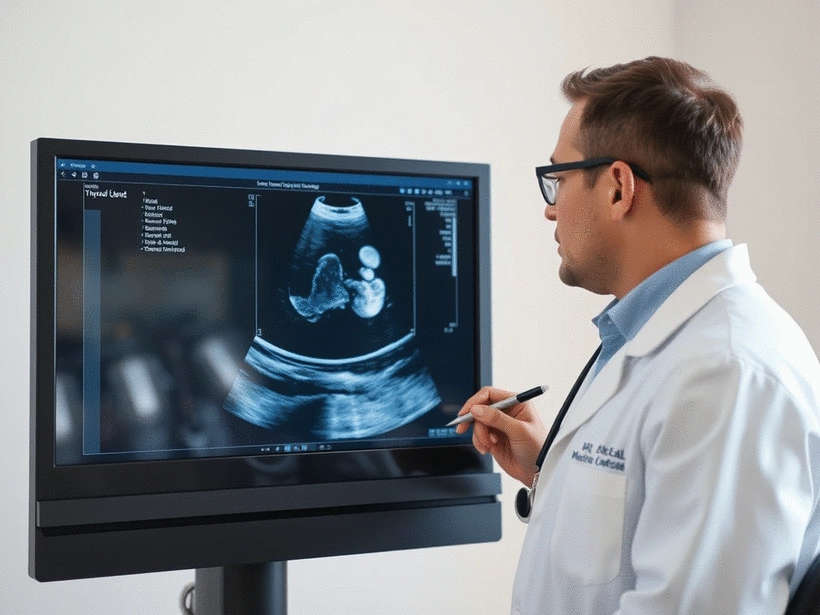
What if the key to understanding your thyroid health lies in a simple, non-invasive imaging technique? Ultrasound offers a powerful way to visualize thyroid abnormalities, providing clarity in diagnosis and management. Let's explore the critical insights into how this tool can shape your health journey.
What You Will Learn
- Ultrasound is the first-line imaging technique for assessing thyroid nodules and abnormalities.
- It provides crucial details about the size, shape, and composition of thyroid nodules, influencing the need for further evaluation.
- Regular ultrasound evaluations are essential for monitoring changes in thyroid conditions over time.
- Neck ultrasounds are vital for evaluating surrounding structures, aiding in the detection of lymph node abnormalities.
- Effective communication between patients and clinicians about ultrasound findings enhances decision-making and patient satisfaction.
Ultrasound in Thyroid Diagnostics: Key Uses and Importance
This visual summarizes the essential applications and significance of ultrasound in evaluating thyroid health and managing conditions like thyroid nodules.
What is Thyroid Ultrasound & How is it Used?
- Detects abnormalities (nodules, cysts, malignancies)
- Guides fine needle aspiration (FNA) biopsies
- Assesses conditions like thyroiditis or goiter
First-Line Imaging for Thyroid Nodules
- Determines nodule size (risk of malignancy)
- Examines nodule composition (solid, cystic, complex)
- Identifies suspicious features (irregular borders, microcalcifications)
Importance of Neck Ultrasound
- Comprehensive view of neck anatomy (lymph nodes)
- Establishes baseline for future comparisons
- Quick, painless, outpatient procedure
Key Insights & Next Steps for Patients
- Ultrasound is first-line for nodules, provides critical info
- Discuss findings & next steps with healthcare provider
- Ask about follow-up imaging & treatment options
Understanding the Role of Ultrasound in Thyroid Diagnostics
As someone who has dedicated my career to thyroid health, I can tell you that understanding the role of ultrasound in thyroid diagnostics is vital. Ultrasound is a non-invasive imaging technique that helps us visualize the thyroid gland and surrounding structures. It plays a crucial role in assessing conditions like hypothyroidism and thyroid nodules, allowing for more accurate diagnoses and management strategies. Have you ever wondered how this simple yet effective tool can aid in your health journey?

Thyroid ultrasound is particularly useful because it can provide detailed images without exposing the patient to radiation. The procedure involves using high-frequency sound waves to create images, making it an ideal choice for evaluating thyroid abnormalities. This method not only helps in identifying nodules but also assists in guiding biopsies when necessary. Let's dive deeper into what exactly thyroid ultrasound entails and how it is utilized in practice.
What is Thyroid Ultrasound and How is it Used?
Thyroid ultrasound is a diagnostic tool that offers a real-time view of the thyroid gland. It can help us detect various abnormalities, including thyroid nodules, cysts, and even potential malignancies. Some of its main uses include:
- Evaluating the size and structure of thyroid nodules
- Guiding fine needle aspiration (FNA) biopsies
- Assessing conditions like thyroiditis or goiter
In my practice at Thyroid Health Hub, I often recommend ultrasound as the first step in evaluating any abnormalities detected through routine blood tests or physical examinations. It’s a reliable tool that provides valuable information, enabling both patients and clinicians to make informed decisions about further testing or treatment.
First-Line Imaging Techniques for Thyroid Nodules
When it comes to thyroid nodules, ultrasound is considered a first-line imaging technique. It's essential for assessing the characteristics of these nodules, which can help determine the need for further evaluation. Here’s how ultrasound plays a vital role:
- Determining the size of the nodule: Size can influence the risk of malignancy.
- Examining the nodule's composition: Solid, cystic, or complex, each has different implications.
- Identifying suspicious features: Such as irregular borders or microcalcifications, which may indicate cancer.
By understanding these characteristics, we can better assess the risk and determine whether a biopsy is necessary. This proactive approach not only aids in treatment planning but also helps to alleviate any anxieties you might have about your thyroid health. For more detailed insights into the latest guidelines for thyroid nodule management, you can refer to the American Thyroid Association (ATA) professional guidelines.
The Importance of Neck Ultrasound in Thyroid Evaluation
The neck ultrasound is not just about the thyroid itself; it's also essential for evaluating surrounding structures, such as lymph nodes. This is particularly important in cases where cancer is suspected. Here are a few reasons why neck ultrasound is invaluable:
- It provides a comprehensive view of the neck anatomy, highlighting any abnormalities in lymph nodes.
- It helps establish a baseline for future comparisons if changes occur over time.
- It's a quick, painless procedure that can be performed in an outpatient setting.
At Thyroid Health Hub, we advocate for comprehensive evaluations that consider all aspects of thyroid health. Neck ultrasounds are a key part of this process, ensuring that you receive thorough and accurate evaluations tailored to your specific needs.
Quick Summary
Here's a brief recap of the key points discussed so far:
- Ultrasound is a non-invasive imaging technique crucial for assessing thyroid health.
- It is the first-line imaging tool for evaluating thyroid nodules and can guide biopsies.
- Neck ultrasounds are essential for detecting abnormalities in surrounding structures, such as lymph nodes.
- Regular ultrasound evaluations help monitor changes in thyroid conditions and inform treatment decisions.
Frequently Asked Questions About Thyroid Ultrasound
Here are some common questions regarding the use of ultrasound in thyroid diagnostics:
- What is a thyroid ultrasound?
A thyroid ultrasound is a non-invasive imaging technique that uses high-frequency sound waves to create real-time images of the thyroid gland and surrounding structures in the neck. - Why is ultrasound considered the first-line imaging technique for thyroid nodules?
Ultrasound is preferred because it's non-invasive, radiation-free, and provides detailed information about the size, shape, composition (solid, cystic, or complex), and suspicious features (like irregular borders or microcalcifications) of thyroid nodules, which helps determine the risk of malignancy. - What kind of abnormalities can a thyroid ultrasound detect?
It can detect various abnormalities, including thyroid nodules, cysts, goiter, thyroiditis, and potential malignancies. It also helps assess the surrounding lymph nodes for any abnormalities. - Does a thyroid ultrasound involve radiation exposure?
No, thyroid ultrasound does not use radiation, making it a safe option for repeated evaluations and for patients who need to avoid radiation exposure. - How does a neck ultrasound differ from a thyroid ultrasound?
While a thyroid ultrasound focuses specifically on the thyroid gland, a neck ultrasound provides a more comprehensive view of the entire neck anatomy, including the thyroid gland and surrounding structures like lymph nodes, which is crucial for a complete evaluation, especially in cases of suspected cancer. - What is the purpose of regular ultrasound evaluations for thyroid conditions?
Regular evaluations are essential for monitoring changes in existing thyroid conditions, such as the growth of nodules or changes in their characteristics over time. This helps in making informed decisions about ongoing management and treatment. - What is TIRADS scoring?
TIRADS (Thyroid Imaging Reporting and Data System) is a standardized system used by radiologists to categorize thyroid nodules based on their ultrasound features, helping to assess the likelihood of malignancy and guide clinical decisions regarding the need for biopsy. You can learn more about this system from the American College of Radiology (ACR) TI-RADS. - What should I discuss with my healthcare provider after an ultrasound?
You should discuss the implications of the findings, the necessity of follow-up imaging or additional tests (like FNA biopsies), and explore available treatment options based on the results.
Summarizing Key Insights on Ultrasound for Thyroid Diagnostics
As we've explored the role of ultrasound in thyroid diagnostics, it becomes clear that this non-invasive technique is paramount for evaluating thyroid health. Understanding how ultrasound functions can significantly impact patient management and outcomes. It’s essential to grasp the importance of proper imaging techniques to ensure accurate diagnoses and effective treatment plans. A recent publication provides further evidence on the impact of neck ultrasound on thyroid nodule management, emphasizing its diagnostic value.
In summary, here are some key points regarding the use of ultrasound in thyroid diagnostics:
- Ultrasound is a first-line imaging tool for identifying thyroid nodules.
- It provides critical information on the size, shape, and composition of nodules.
- Regular ultrasound evaluations can help monitor changes in thyroid conditions.
- TIRADS scoring aids in categorizing thyroid nodules based on their characteristics, guiding clinical decisions.
These insights highlight how ultrasound serves as a cornerstone in the diagnostic process, fostering a well-informed approach to thyroid health.
Evaluating the Importance of Proper Imaging Techniques
Proper imaging techniques are vital in making confident diagnoses and treatment decisions. In my practice at Thyroid Health Hub, I emphasize that patients and clinicians alike should prioritize thorough assessments. This means not only relying on ultrasound but also understanding its limitations and potential in conjunction with other tests.
- Conducting comprehensive evaluations that include patient history and physical exams.
- Utilizing ultrasound findings to direct further testing when necessary.
- Engaging in discussions about the risk factors associated with thyroid nodules.
Effective communication between patients and healthcare providers about imaging techniques can lead to better outcomes and enhanced patient satisfaction.
Next Steps: How Patients and Clinicians Can Make Informed Decisions
After undergoing imaging, both patients and clinicians should actively engage in discussions regarding the findings and potential next steps. It's important to approach these conversations with open-ended questions to gather as much information as possible. Here are some steps to consider:
- Request clarification on the implications of ultrasound findings.
- Discuss the necessity of follow-up imaging or additional tests.
- Explore treatment options based on the results of the imaging.
By taking these steps, you empower yourself to be an active participant in your healthcare journey. At Thyroid Health Hub, we believe that informed patients are better equipped to navigate their thyroid health and make confident decisions.
Call to Action: Engaging with Your Healthcare Provider
Engaging with your healthcare provider regarding imaging options is a crucial step in managing thyroid health. Don’t hesitate to ask questions or express any concerns you might have about the diagnostic process.
Discussing Imaging Options for Thyroid Evaluation with Your Doctor
It’s essential to have open conversations about which imaging options are best for your specific situation. Here are some discussion points to keep in mind:
- What imaging techniques are available and why are they recommended?
- How often should imaging be performed for monitoring?
- What are the risks and benefits associated with each imaging method?
By discussing these topics, you can better understand how to tailor your thyroid evaluation to your individual needs.
Understanding Your Test Results: What to Ask and Expect
Once you receive your test results, it’s normal to feel overwhelmed. Understanding what your results mean is crucial for making informed decisions about your health. Here are a few questions to consider:
- What do the ultrasound findings indicate about my thyroid health?
- Are there any areas of concern that require further investigation?
- What are the recommended next steps based on these results?
Asking these questions can help you gain clarity and confidence in your healthcare decisions.
Patient Education: Navigating Thyroid Health and Diagnostics
At Thyroid Health Hub, we are committed to empowering patients through education. Understanding your thyroid health and the role of diagnostics can change the way you approach your well-being. I encourage you to seek out reliable resources, like our endocrinologist-reviewed guides, to enhance your understanding of thyroid conditions.

Remember, knowledge is power! By taking proactive steps in your health management journey, you can advocate more effectively for yourself and achieve better health outcomes.
Recap of Key Points
Here is a quick recap of the important points discussed in the article:
- Ultrasound is a first-line imaging tool for identifying thyroid nodules.
- It provides critical information on the size, shape, and composition of nodules.
- Regular ultrasound evaluations can help monitor changes in thyroid conditions.
- TIRADS scoring aids in categorizing thyroid nodules based on their characteristics, guiding clinical decisions.
- Engaging with healthcare providers about imaging options is crucial for informed decision-making.